









31 Best Investment Books 2026: For Beginners and Experts
 Phil Town
 In This Article
- The Quick Answer
- Best Investing Books for Beginners
- Warren Buffett Recommended Value Investing Books
- Good Books Phil Town Recommends for Rule #1 Investors
- Best Investment Psychology Books
- Best Books on Growth Investing
- Stock Trading Books 2026
- New and Notable for 2026
- Bonus Great Reads by Phil Town for Rule #1 Investors
- Books That Aren't Really Investing Books
- Get the Most Out of These Investing Books
- Final Thoughts
Rule #1 investors take a similar approach to what Warren Buffett has taught for decades. So it's only fitting that some of my favorite investing books are some of his favorites too.
Buffett has said he reads about 500 pages a day, and he's compared knowledge to compound interest, it builds up the more you put in. He devotes roughly 80% of his day just to reading.
Now, I know you probably have a job and other responsibilities. You can't spend that kind of time with a book. That's fine, because you don't need to.
What you need is the right shelf. A handful of books that teach you how to think about businesses, price, and risk, so you stop guessing and start deciding.
I didn't come to this from Wall Street. I was a Grand Canyon river guide living on about $4,000 a year before a mentor showed me how Buffett-style investing actually works.
Since then I've managed a hedge fund, written three New York Times bestsellers, and hosted the InvestED podcast with my daughter Danielle. I've talked through these ideas on CNBC, MSNBC, Fox Business, CNN, and PBS, and helped more than two million people learn to invest on their own.
Every book here ladders up to the same idea: Meaning, Moat, Management, and Margin of Safety, the Four Ms we use to judge whether a business is worth owning. Whether you're brand new or already investing, the goal never changes.
Rule #1 Tip: Prioritize the ones that align with a value-based, long-term investing mindset. Books by or about Buffett, Munger, or other like-minded investors. These tend to reinforce the Rule #1 principle: "Don't lose money." That's your north star.
The Quick Answer
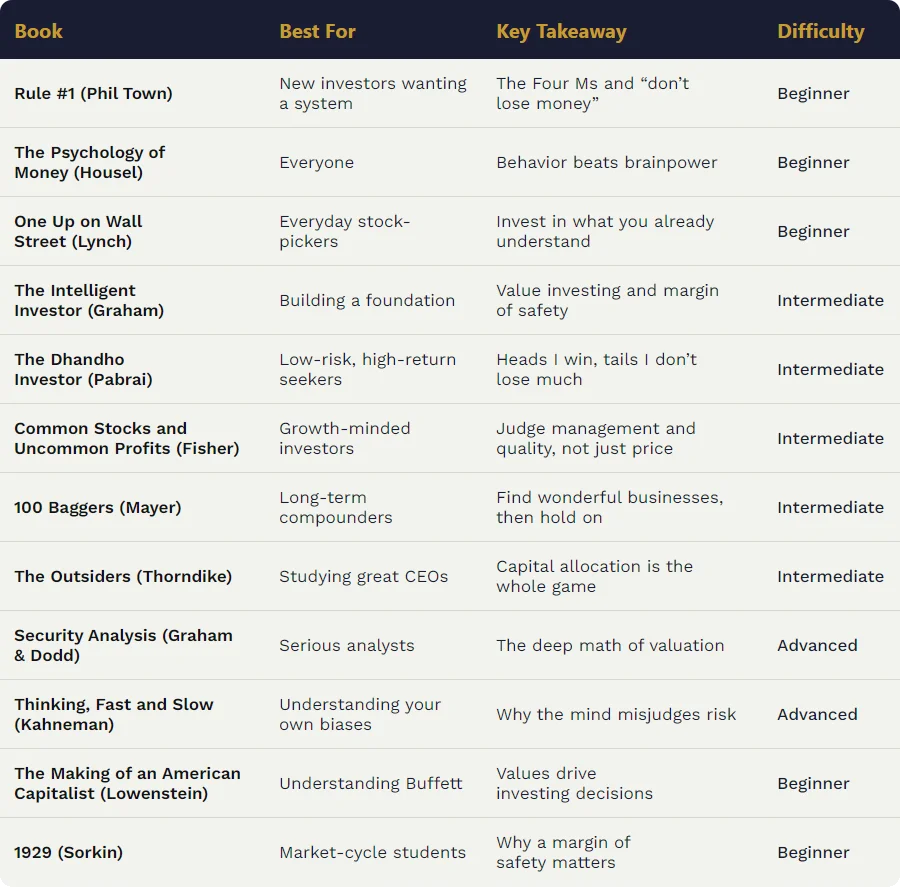
Short on time? Start here. If you're brand new, read Rule #1 and The Psychology of Money to build the right mindset, then One Up on Wall Street to see how everyday people find great companies.
If you want the foundation the pros stand on, read The Intelligent Investor, then Common Stocks and Uncommon Profits. Ready to go deep, work through Security Analysis and The Outsiders.
For market-cycle perspective in 2026, add Sorkin's 1929. Every pick below ties back to one rule: don't lose money. Read to understand businesses, not to chase hot tips.
Best Investing Books for Beginners
1. The Intelligent Investor by Ben Graham
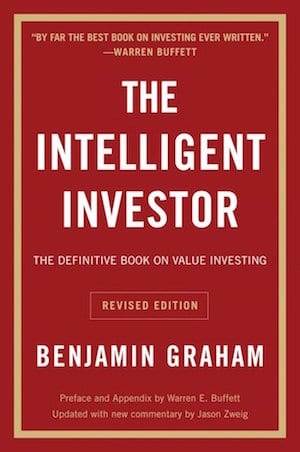
This 1949 book focused on Graham's strategy of loss minimization over profit maximization. This is the basic foundation of a Rule #1 education. It is a good investing book for beginners.
Buffett wrote a preface and appendix to the 2006 edition.
Description: This classic text is annotated to update Graham's timeless wisdom for today's market conditions.
The greatest investment advisor of the twentieth century, Benjamin Graham, taught and inspired people worldwide. Graham's philosophy of "value investing" has made The Intelligent Investor the stock market bible.
This philosophy has shielded investors from substantial error. It taught them to develop long-term strategies.
Ever since its original publication in 1949, this has been every beginner's go-to book. You'll gain a deep understanding of the basic principles of intrinsic value, what we call the Sticker Price, the number that tells you what a business is really worth. You'll know how to build a sound investment strategy from the ground up. Get it here.
Rule #1 Insight: Buffett has often referred to chapters 8 and 20 of this book as the bedrock of his investing philosophy. Chapter 8's discussion of "Mr. Market" is particularly important for starting investors. It helps you understand the mindset needed to buy wonderful companies at attractive market prices.
2. The Education of a Value Investor: My Transformative Quest for Wealth, Wisdom, Enlightenment by Guy Spier
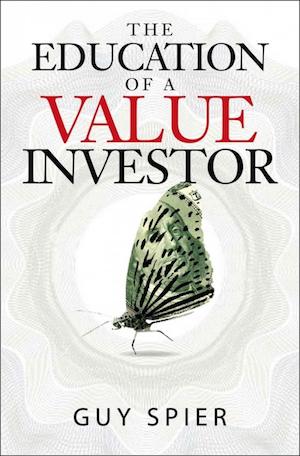
Guy Spier is a good friend, a great investor, and also a past guest on our podcast. His journey is a perfect example of how value investing shapes successful investors.
Description: This book traces the arc of a transformation. Guy Spier started his career as a Gordon Gekko wannabe. Brash, short-sighted, and entirely out for himself.
Then, a series of transformations and self-realization led him to where he is now.
From a self-interested investment banker to a fund manager who consistently delivers value to his limited partners. Along the way, he shares lessons that are invaluable for anyone interested in investment management, or if you're seeking a business school education in real-world investing. Get it here.
3. The Dhandho Investor by Mohnish Pabrai
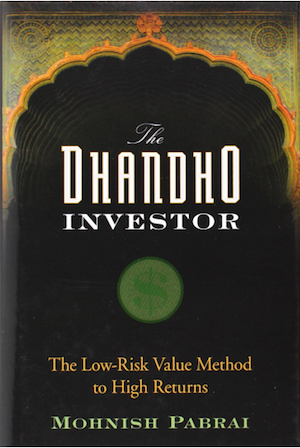
Mohnish Pabrai demonstrates how the principles of investing can help you start with little. From there, you can build substantial wealth. The Dhandho method is a practical guide for identifying undervalued stocks.
Description: This comprehensive framework is ideal for those interested in learning how to analyze market price. You'll know how to assess intrinsic value and apply business fundamentals to the stock market. Pabrai's approach is rooted in the best practices of investment strategy and risk management. Get it here.
4. Rule #1 by Phil Town
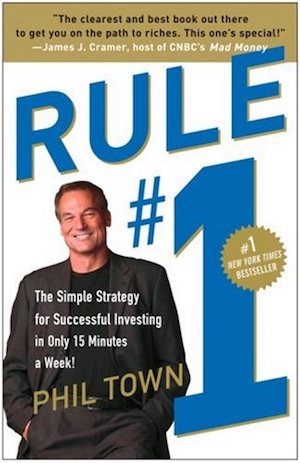
This book combines modern tools with Buffett-style investing. It takes you step-by-step through the analysis process. A must-read for new investors.
Description: I wasn't always the investor I am today. I was living on a salary of $4,000 a year when some well-timed advice launched me down a highway of investing in self-education, and that's where I found the true "rules" and how to make them work in my favor.
Chief among them, of course, is "Rule #1: Don't lose money."
Other rules are: "don't diversify", "think like an owner, not an investor", "never, ever be seduced into thinking the market is efficient". I also believe strongly in "betting on the jockey". You put your faith in managers who've proven their financial mettle.
This book also introduces the concept of the Four Ms of Rule #1 Investing: Meaning, Moat, Management, and Margin of Safety. These help investors decide if a business is worth buying at the right price. It's a modern roadmap for Buffett-style investing with real-world applications. Get it here.
Ready to put these ideas to work with real companies? Join me at the Virtual Investing Workshop, where my coaches and I walk you through the whole process live.
Warren Buffett Recommended Value Investing Books
Warren Buffett is one of the most successful investors of all time. These top books, written by or about him, are must-reads for any value investor.
If you want to go straight to the source, it's worth reading Warren Buffett's own words alongside them.
5. The Making of an American Capitalist by Roger Lowenstein
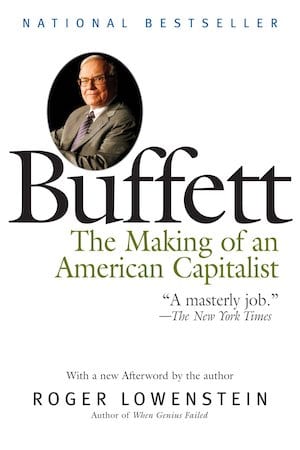
Warren Buffett has become an American icon for good reason. He started simple, invested consistently, and lived modestly. Soon, he built a ridiculous fortune.
In my opinion, this is just the best book ever written about Warren Buffett.
It's worth a read. Or, reread, if you've read it before. I'm on my third read.
This book also digs deep into the deals Buffett made and why he chose them. It's a timeless handbook on investing.
It takes a hard look at the way Buffett's values drove his investment choices. You can't go wrong with this one. Get it here.
6. The Essays of Warren Buffett by Lawrence Cunningham
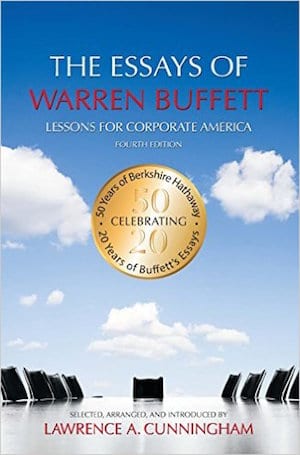
Perhaps one of the best investing books of all time. This timeless literary feat consists of key letters from Buffett to his general partners. This is seminal wit and wisdom.
Description: The book marks the fiftieth anniversary of Berkshire Hathaway under Buffett's leadership, a tenure that set a record for value creation and clear-eyed business thinking.
This is the book Buffett autographs most. Its lasting popularity proves investors value this unique and accessible collection. New and experienced readers alike will gain an invaluable informal education from this. Get it here.
7. The Super-Investors of Graham-and-Doddsville by Warren Buffett
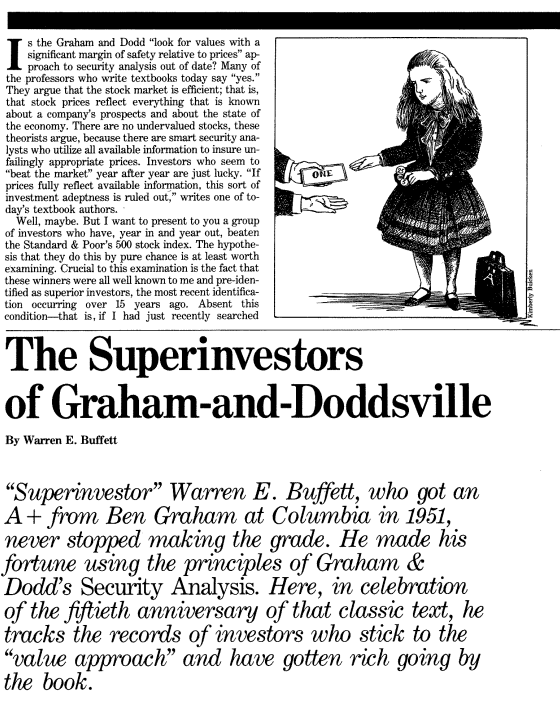
This is Buffett's lecture to Columbia University MBA students. You can find the free PDF on Google or here. This is a key work about the foolishness of Modern Portfolio Management's claim.
It attests that no one beats the market except by luck. Buffett highlights real-world examples, including legendary investors from the Sequoia Fund, and more.
8. Poor Charlie's Almanack: The Wit and Wisdom of Charles T. Munger by Peter D. Kaufman
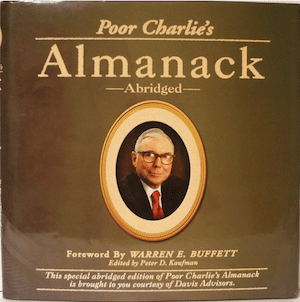
This book is a hot mess but it's packed full of Munger's ideas on investing.
Description: Poor Charlie's Almanack contains the wit and wisdom of Charlie Munger: his talks, lectures, and public commentary. And it has been written and compiled with both Charlie Munger and Warren Buffett.
Settle in and enjoy Charlie Munger's unique humor, wisdom, and insight on business, investing, and life. Get it here.
Buffett and Munger built their record on a handful of ideas you can learn too. If you want to practice them on real companies with coaches at your side, join me at the Virtual Investing Workshop.
Good Books Phil Town Recommends for Rule #1 Investors
9. Misbehaving: The Making of Behavioral Economics by Richard Thaler
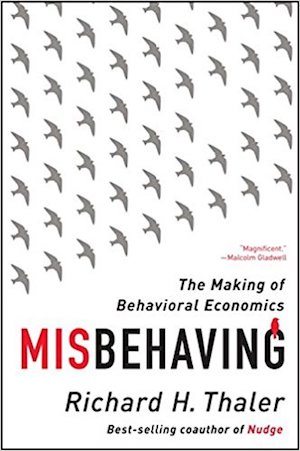
Misbehaving is written by a Nobel Prize laureate who practically pioneered the field of behavioral economics. You don't need to know economics or even like it to benefit from this book.
This book frames the study of economics wonderfully. It's highly relevant for anyone who wants to learn more about investing.
Description: Misbehaving is an arresting, frequently hilarious account of the struggle to bring an academic discipline back down to earth. It can change the way we think about economics, ourselves, and our world. Get it here.
10. Conscious Capitalism: Liberating the Heroic Spirit of Business by John Mackey
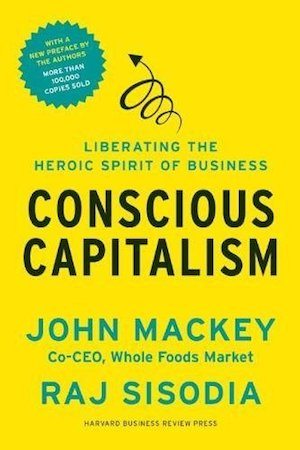
One of the great CEOs talks about investing with integrity and leaving a positive impact on the world.
Description: Read this book, and you'll better understand the four important tenets. Namely, higher purpose, stakeholder integration, conscious leadership, and conscious culture and management.
These can help build strong businesses. It's known to move capitalism closer to its highest potential. Lastly, it fosters a more positive environment for all of us. Get it here.
11. Security Analysis by Ben Graham and David Dodd
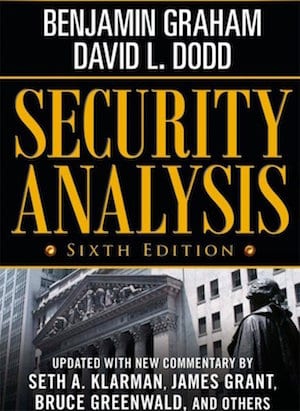
This is the foundation textbook of value investing. It's a tough read, but if you want to drill down on the numbers, this is your huckleberry.
"A road map for investing that I have now been following for 57 years." From the Foreword by Warren E. Buffett.
First published in 1934, Security Analysis is one of the most influential financial books ever written. It has sold more than one million copies through five editions. This provided generations of investors with the timeless value investing philosophy and techniques of Benjamin Graham and David L. Dodd. Get it here.
Rule #1 Reminder: While this book is dense, it lays the groundwork for financial analysis, most especially when evaluating what a business is truly worth.
Combine it with modern tools like our investment calculators and calculate your margin of safety before you ever buy.
12. Common Stocks and Uncommon Profits by Philip Fisher
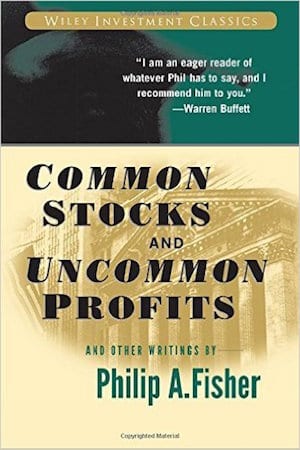
An interesting book on choosing investments. Know how to evaluate a company's management team and understand stock prices. Fisher is one of the few guys Buffett points to as an influence on his investment strategy.
Description: Widely respected and admired, Philip Fisher is among the most influential investors of all time. His investment philosophies are not only studied and applied by today's financiers and investors. They are also regarded by many as gospel.
This book is invaluable reading and has been since it was first published in 1958. Get it here.
13. Business Adventures by John Brooks
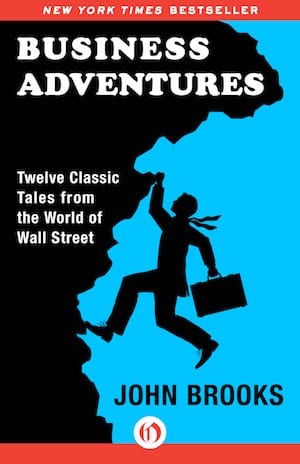
This is the book that Buffett sent to Bill Gates when he asked Warren what his favorite book is. Twelve tales from the world of business that point to how critical management is.
Description: What do the $350 million Ford Motor Company disaster known as the Edsel, the fast and incredible rise of Xerox, and the unbelievable scandals at General Electric and Texas Gulf Sulphur have in common?
Each is an example of how an iconic company was defined by a particular moment of fame or notoriety on Wall Street. These notable and fascinating accounts are as relevant today for understanding the intricacies of corporate life as they were when the events happened. Get it here.
14. The Outsiders by William Thorndike
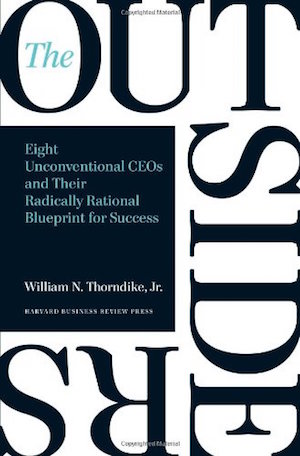
Stunning portraits of how a great CEO allocates capital to maximize shareholder return.
Description: What makes a successful CEO? Most people call to mind a familiar definition: "a seasoned manager with deep industry expertise." Others might point to the qualities of today's so-called celebrity CEOs. Someone with charisma, virtuoso communication skills, and a confident management style.
But what really matters when you run an organization? What is the hallmark of exceptional CEO performance? Quite simply, it is the returns for the company shareholders over the long term.
In this refreshing, counterintuitive book, Will Thorndike brings to bear the analytical wisdom of a successful career in investing. He closely evaluated the performance of companies and their leaders. You will meet eight individualistic CEOs whose firms' average returns outperformed the S&P 500 by a factor of twenty. Get it here.
15. Antifragile by Nassim Talib
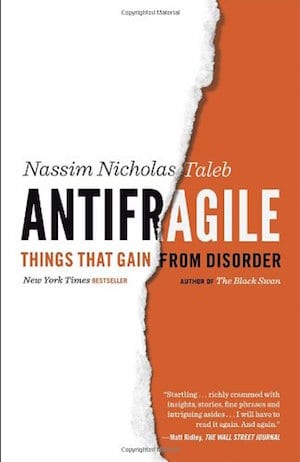
This is another 'stream of consciousness' opus from Taleb. It spells out how fragility is at the heart of investment failure. Consequently, anti-fragile strategies are the key to long-term success.
Description: Nassim Nicholas Taleb, the bestselling author of The Black Swan and one of the foremost thinkers of our time, reveals how to thrive in an uncertain world.
Many things in life benefit from stress, disorder, volatility, and turmoil. Just as human bones get stronger when put under pressure and strain. Or rumors and riots intensify when someone tries to repress them.
What Taleb has identified and calls "antifragile" is that category of things that not only gain from chaos but need it in order to survive and flourish. Get it here.
16. Simple But Not Easy: An Autobiographical Book about Investing by Richard Oldfield
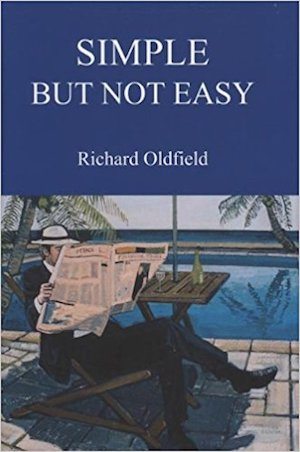
Simple But Not Easy has plenty of interest to the experienced professional and is also aimed at the interested amateur investor. The theme of the book is that making smart investments is simpler than non-professionals think it is. The rudiments can be expressed in ordinary English, and picked up by anybody. Get it here.
17. Irrational Exuberance by Robert Shiller
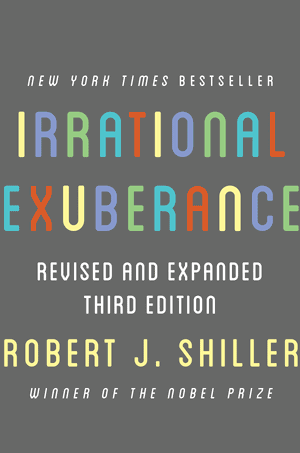
Shiller's analysis of market bubbles, interest rates, and psychological factors is as relevant as ever. His research shows how investor sentiment can sway stock prices. It highlights the risks in financial markets.
A must-read for those interested in understanding the cyclical nature of markets and the influence of human psychology. In other words, Irrational Exuberance is more relevant than ever. Get it here.
18. Principles, by Ray Dalio
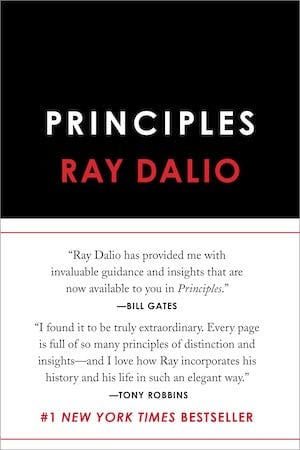
This book is part memoir, part how-to guide for crafting the life you want based on the principles that matter to you. You'll find immense practical wisdom here from a legend who runs the most valuable hedge fund in the world.
And it's not just for wealthy CEOs. There's wisdom in here for everyone, but the emphasis is on leading and building what you want through unshakeable principles. Get it here.
19. The Investment Checklist: The Art of In-Depth Research by Michael Shearn
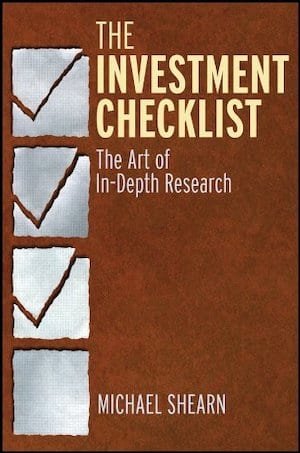
Too many people base their investment decisions on their impressions of a company's welfare, stock market swings, or other emotional factors. And that's a mistake. The book gives you a framework to deeply understand the businesses you're investing in so you can make balanced, logical decisions.
It's hard to get an investment checklist just right, and I like certain parts of it, but this book gives you a great framework to get started. Use it as a companion to building your own investment checklist, the one built around Rule #1's Four Ms.
BONUS TIP: Customize your checklist over time as you learn more about evaluating business quality and leadership. Get it here.
20. Prisoners of Geography: Ten Maps that Explain Everything About the World (Politics of Place), by Tim Marshall
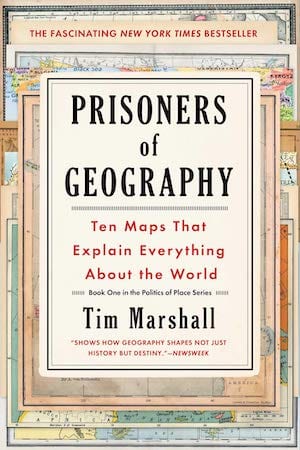
This one isn't specifically a finance book, but it's a solid read that will give you a stronger understanding of the forces driving the markets. You'll learn about borders and world powers that make all the difference in today's financial world. Get it here.
Best Investment Psychology Books
Buffett said it plainly: the most important quality for an investor is temperament, not intellect. This isn't a game where the highest IQ wins. It's a game where discipline wins.
These books are about the part of investing that has nothing to do with spreadsheets. It's the part that decides whether you actually stick to your plan when the market is screaming at you to panic.
None of these are books I've built my own method on, the way I have with Graham or Fisher, so I'll speak about them plainly. They're widely respected, and they get at something every investor has to face.
21. The Psychology of Money by Morgan Housel
Housel's core argument is that doing well with money has less to do with what you know and more to do with how you behave. Told through short, memorable stories, the book is widely regarded as one of the most accessible finance reads of the last decade.
It's a good fit for beginners because it teaches the emotional discipline that protects your capital. That is exactly what "don't lose money" is really about. Get it here
22. Thinking, Fast and Slow by Daniel Kahneman
Kahneman won a Nobel Prize for his work on how people actually make decisions. This book lays out the mental shortcuts and biases that quietly wreck portfolios, things like overconfidence and loss aversion.
It's a denser, more advanced read, but it explains why smart people make bad investing choices. More importantly, it helps you catch yourself before you do. Get it here
23. Richer, Wiser, Happier by William Green
Green spent years interviewing many of the world's greatest investors, including Buffett and Munger. He found that their edge came less from raw brainpower than from temperament and patience.
For anyone drawn to the Rule #1 approach, it's a useful look at how the discipline behind value investing shows up in real, successful careers. Get it here
Best Books on Growth Investing
Growth investing gets a bad reputation because people confuse it with chasing whatever's hot. That's not what these books teach.
The best growth investing, the kind that fits right inside a value framework, is about finding a wonderful business early and holding it while it compounds for years. That's not speculation. That's patience.
24. One Up on Wall Street by Peter Lynch
Lynch ran one of the most successful funds in history, and his central idea is beautifully simple. Ordinary people have an edge because they notice great products and services in daily life before Wall Street catches on.
The book is widely recommended for beginners because it makes stock-picking feel approachable. It still insists you do the homework on the business behind the stock. Get it here
25. 100 Baggers by Christopher Mayer
Mayer studied companies that returned 100 times an investor's money and looked for what they had in common. The answer lines up closely with Rule #1 thinking: strong economics, a durable advantage, capable management, and a patient owner.
It's a compelling case for buying quality and then getting out of your own way. Find a wonderful business at an attractive price, and let time do the heavy lifting. Get it here
Stock Trading Books 2026
Let me be straight with you. I'm not a trader, and Rule #1 isn't a trading system.
Trading is about short bursts and timing. Investing is about owning great businesses for the long haul. So if you searched for trading books, I'm going to steer you toward the ones that will actually make you a better investor.
Read these for the mindset, not for a shortcut.
26. Reminiscences of a Stock Operator by Edwin Lefèvre
First published in 1923, this thinly fictionalized account of legendary speculator Jesse Livermore is still one of the most quoted books in the market. Its lessons on crowd psychology, emotional control, and the danger of overtrading have outlasted a century of market changes.
Traders love it, and investors can learn just as much from watching where Livermore's discipline broke down. Get it here
27. Market Wizards by Jack Schwager
Schwager interviewed dozens of top traders to find what set them apart. The surprising takeaway is how little it came down to secret strategies and how much it came down to risk management and temperament.
Even if you never place a single short-term trade, the recurring theme is the same one we build everything on. Protect your capital first. Get it here
New and Notable for 2026
I lean toward timeless principles over whatever's trending. Still, a couple of recent books are genuinely worth your time in 2026 because they sharpen ideas that sit at the center of Rule #1 investing.
28. 1929 by Andrew Ross Sorkin
1929: Inside the Greatest Crash in Wall Street History, published in late 2025, is a gripping account of how speculation, leverage, and euphoria drove the most famous crash in history. It became a number one bestseller for a reason.
For a value investor, it's the clearest possible argument for why you always demand a margin of safety. Markets get carried away, and prices detach from businesses. The investor who respects that history is the one still standing afterward. Get it here
29. The Thinking Machine by Stephen Witt
The Thinking Machine, which won the Financial Times Business Book of the Year, tells the story of Nvidia and its CEO Jensen Huang. It's not an investing how-to, but it's a real-world case study in two of the Four Ms.
You'll see what a durable moat actually looks like, and how much a company's direction rides on the person running it. Read it as a business story, not a stock tip. Get it here
Bonus Great Reads by Phil Town for Rule #1 Investors
If you're looking to expand your bookshelf beyond the classics, consider these standout titles.
30. Invested by Danielle and Phil Town
This is the father-daughter guide Danielle and I wrote together. In it, I walk alongside Danielle, a complete beginner, as she learns how to analyze companies, the same way I'd walk alongside you.
We get into how to interpret financial statements and push through the emotional hurdles that trip up every new investor. You'll follow her move from uncertainty to real confidence.
By the end, she'd built the hands-on tools to evaluate stocks and put together an investment plan of her own. It's something every beginner can learn from. Get it here.
31. Payback Time by Phil Town
In Payback Time, I introduce the concept of "stockpiling." This is a way to profit from undervalued stocks and market fluctuations. The book digs into how to spot market inefficiencies and calculate margins of safety.
Description: I explain how individual investors can capitalize on market downturns and use patience as a competitive advantage. With practical case studies and clear explanations, Payback Time provides a blueprint for everyone who wants to take control and get paid back for their patience and discipline. Get it here.
Books That Aren't Really Investing Books
Here's something most book lists won't tell you. A lot of titles that show up under "best investing books" aren't really about investing at all. That doesn't make them bad, it just means you should know what you're getting.
Rich Dad Poor Dad by Robert Kiyosaki is the classic example. It's a mindset book about how you think about money and assets, and for some people that shift is valuable. But it won't teach you how to read a business or value a company, so don't mistake it for a method.
Then there's the whole index-fund school, led by John Bogle's The Little Book of Common Sense Investing and Burton Malkiel's A Random Walk Down Wall Street. Both are respected, and both are well written.
But they argue something close to the opposite of what I teach. Their case is that markets are basically efficient, that you can't do better than average, so you should buy the whole market and stop trying.
I don't buy that. As I say in Rule #1, never be seduced into thinking the market is efficient. It misprices wonderful businesses all the time, and that's exactly where a Rule #1 investor makes their money.
So read them if you're curious about the other side of the argument. Just know they're describing a different game than the one we play.
Get the Most Out of These Investing Books
These books are only worth as much as what you do with them. So read with a pen in your hand. Take notes, and start building your own investment checklist based on what you learn, one grounded in the Four Ms.
That checklist becomes your discipline when emotion tries to take over. Use whatever format keeps you reading, whether that's a hardcover, the Kindle app, or an audiobook for your commute.
Before you commit to a longer book, it's worth skimming a few reviews to see what other investors got out of it. And once you've read something that moves you, talk about it. Explaining a book's big idea to someone else is one of the best tests of whether you really understood it.
Most of all, apply what you read. A principle you never act on is just trivia. Pick one company, walk it through the Four Ms, and see how the ideas hold up in the real world.
These books hand you the knowledge. What you build with it is up to you, and it's how you start making smarter decisions for the long run.
Final Thoughts
The best investment books of 2026 offer timeless wisdom for every stage of your journey. Beginners and experienced investors alike can use them to think more clearly, judge businesses honestly, and manage risk.
Every book on this list ladders back to one idea. Buy wonderful businesses at attractive prices, and don't lose money. That's the whole game.
As Warren Buffett puts it, knowledge compounds. So start building your investor mindset today with one of these reads.
And when you're ready to stop reading about it and start doing it, join me at the Virtual Investing Workshop. My coaches and I will walk you through finding, valuing, and buying real companies, hands-on. Now go play.
The Four Ms For Successful Investing
How to invest with certainty in the right business at the right price
About Phil Town
Phil Town is an investment advisor, hedge fund manager, 3x NY Times Best-Selling Author, ex-Grand Canyon river guide, and former Lieutenant in the US Army Special Forces.
He and his wife, Melissa, share a passion for horses, polo, and eventing. Phil's goal is to help you learn how to invest and achieve financial independence.
Disclaimer
Rule One Investing provides investment education and training only. We do not provide personalized investment advice, manage client assets, or guarantee investment returns. All content is for informational purposes. Consult a qualified financial professional before investing. Past performance does not guarantee future results. Individual results vary.
The Four M's For Successful Investing
How to invest with certainty in the right business at the right price

About Phil Town
Phil Town is an investment advisor, hedge fund manager, 3x NY Times Best-Selling Author, ex-Grand Canyon river guide, and former Lieutenant in the US Army Special Forces.
He and his wife, Melissa, share a passion for horses, polo, and eventing. Phil's goal is to help you learn how to invest and achieve financial independence.
Get Phil's Free Guide