







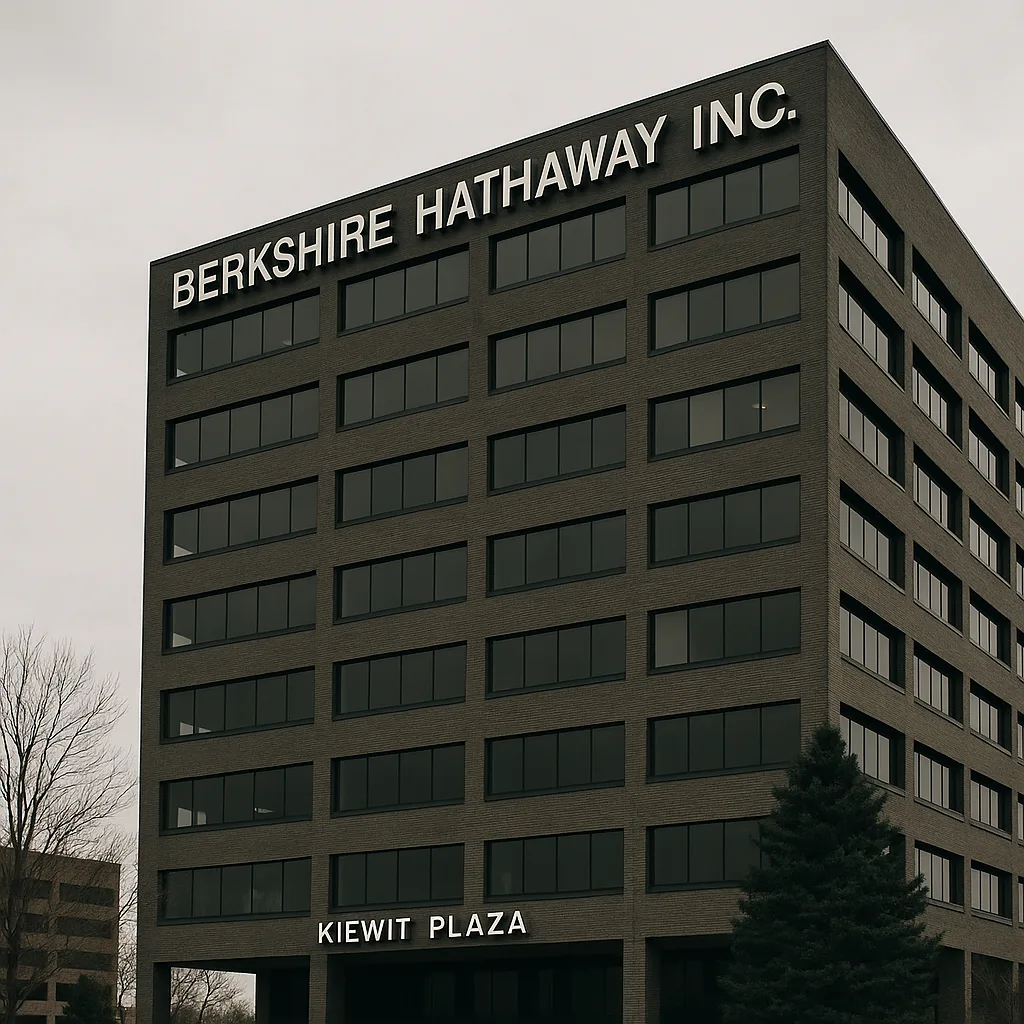
The Truth About the Future of Berkshire Hathaway Stock (and Why I’m Not Worried)
 Phil Town
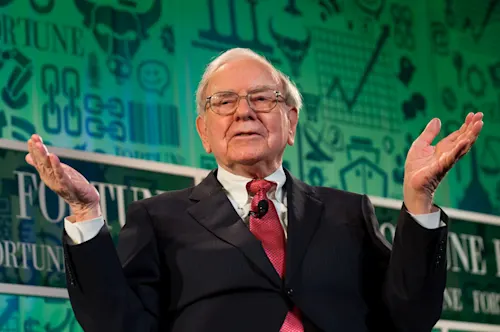
 When Warren Buffett announced his plan to step down as CEO of Berkshire Hathaway, the investing world stopped to take a deep breath. For nearly 60 years, Buffett has delivered shareholders an average annual return of 20%. That's turned countless ordinary investors into multimillionaires and cemented his legacy as one of the greatest investors of all time.
But with Buffett stepping back, Berkshire faces a future without its legendary leader. What does that mean for the company—and for long-term investors like us who follow the Rule One philosophy?
The market is observing the transition to a post-Warren Buffett era as Greg Abel took over as CEO at the beginning of 2026. Let's unpack what comes next for Berkshire Hathaway, who will lead the company, and what history tells us about the stock's future.

Buffett Built a Business to Last
When Buffett took over Berkshire Hathaway in 1965, it was a failing textile company. He quickly realized he'd need to reinvest in better businesses. Meaning, they're companies with durable competitive advantages, strong management, and predictable cash flow.
Over time, that strategy transformed Berkshire into a three-pillar powerhouse:
Insurance Operations: GEICO, National Indemnity, and General Re all provide massive, steady cash flow through premiums. This is money that Buffett could reinvest elsewhere.
Wholly Owned Businesses: Burlington Northern Santa Fe Railroad, Berkshire Hathaway Energy, See's Candies, Brooks, and Dairy Queen all fall under this umbrella.
Stock Portfolio: Iconic stakes in Apple, Coca-Cola, American Express, and Bank of America form the publicly traded side of the empire.
And Berkshire's cash position—roughly $373.3 billion as of early 2026—makes it one of the most financially secure companies in the world.
Meet the Successors: Greg Abel and Ajit Jain
Buffett's genius wasn't just in picking stocks—it was in picking people.
For years, Berkshire's non-insurance operations have been run by Greg Abel, and its insurance empire by Ajit Jain. Buffett once said, “If Charlie, I, and Ajit are ever in a sinking boat, and you can only save one of us—swim to Ajit.” That's how much he values his leadership.
But Buffett officially retired at the end of 2025, it's Greg Abel who stepped in as CEO. Abel has been with Berkshire since 2000, when it acquired MidAmerican Energy, and has proven himself a disciplined, long-term operator.
In Buffett's own words, Berkshire's businesses are already “run by extraordinary managers” who don't need micromanaging. That culture of independence and trust is why Berkshire's transition is smoother than most corporate handoffs.
What Happens to Berkshire's Stock Portfolio
The part of Buffett's job that's hardest to replace is his stock-picking. Compounding capital at 20% annually for six decades is nearly impossible to replicate.
But Buffett's been planning for this. Todd Combs and Ted Weschler—two seasoned investors—have been managing portions of Berkshire's portfolio for years. Meanwhile, Greg Abel will oversee all capital allocation decisions, including how to invest Berkshire's cash hoard.
That combination of disciplined capital management and decentralized decision-making is what will keep Berkshire's machine humming.
2026 Investor’s Survival Guide
Learn our proven strategy to protect and grow your portfolio amid inflation, governmental shifts, and unprecedented volatility
What Happens to Berkshire's Stock Portfolio
The part of Buffett's job that's hardest to replace is his stock-picking. Compounding capital at 20% annually for six decades is nearly impossible to replicate.
But Buffett's been planning for this. Todd Combs and Ted Weschler—two seasoned investors—have been managing portions of Berkshire's portfolio for years. Meanwhile, Greg Abel will oversee all capital allocation decisions, including how to invest Berkshire's cash hoard.
That combination of disciplined capital management and decentralized decision-making is what will keep Berkshire's machine humming.
Major Recent Moves: The $9.7 Billion OxyChem Acquisition
Berkshire Hathaway’s approach to stock investing is clear in its recent $9.7 billion acquisition of Occidental’s chemical unit, OxyChem. The deal was completed on January 2, 2026.
This move shows how Berkshire evaluates different investment vehicles beyond just traditional stocks. They seek opportunities in large companies that can offer value and stability in a variety of market conditions.
While many investors focus on short-term investments or quick gains through stock trading, Berkshire’s leadership prefers a long-term investing strategy. Their priority is sustainable growth and a secure financial future.
Berkshire’s Cash Reserves and Market Cap in 2026
As of early 2026, Berkshire Hathaway holds about $373.3 billion in cash. The company’s market capitalization has exceeded $1 trillion.
This strong cash position gives Berkshire flexibility to respond to changing interest rates and oil prices. It also allows the company to adapt to other factors that impact capital markets.
Berkshire uses strict guidelines for acquisitions and investment strategy. This ensures that their assets are ready to handle volatile periods and to take advantage of chances for higher returns.
When Buffett Leaves, Expect Emotion—Not Logic
When Buffett announced he was stepping down, Berkshire's stock dipped about 5.5%, even though everyone knew it was coming.
When he eventually passes away, the headlines will be everywhere, and the emotional reaction will likely be much larger. Expect volatility, because markets in the short term act like a voting machine—they respond to emotion and headlines, not fundamentals.
But as Buffett has always taught us: In the long run, the market is a weighing machine.
And when the dust settles, what the market will weigh are the facts:
Berkshire owns over 60 high-quality companies.
It generates massive cash flow from stable, recession-resistant businesses.
It's sitting on hundreds of billions in cash.
Those fundamentals won't change just because Buffett isn't writing the annual letter anymore.
Stock Analysis and Valuation
Good investment decisions are based on careful analysis and a clear idea of a company’s real value. Fundamental analysis means looking at financial statements, assets, debts, and growth prospects. This is still the best way to judge individual companies like Berkshire Hathaway.
Investors also look at things like price-to-earnings ratios, average trading volumes, and recent years of performance in the capital markets.
To get the most value, keep an eye on quarterly reports and changes in interest rates, oil prices, and other big-picture trends. By using strict guidelines for review, investors can spot securities that have the best chance for long-term profit and steady growth.
In today’s volatile markets, being able to adapt to changes is more important than ever. Whether you invest in individual stocks, mutual funds, or other assets, a steady focus on value, growth, and risk management is vital for long-term success.
Berkshire Hathaway: A Case Study in Stock Evaluation
Berkshire Hathaway’s Class A shares (BRK.A) have historically avoided stock splits and now have the highest per-share price of any public company. Analyst price targets for Class B shares currently suggest a “Hold” consensus, with a 12-month target averaging around $528.70. The stock’s current price-to-earnings (P/E) ratio is about 15.78, which is lower than its 10-year historical average of 20.65.
Fundamental analysis is a strategy that aims to determine the intrinsic value of an asset. It remains central for long-term investors. It’s important to remember that long-term investors can and should close existing positions and open new ones if things aren’t going well. Regular evaluation ensures your portfolio stays aligned with your goals, even as market conditions change.
A Lesson from Apple: The Business Outlives the Leader
When Steve Jobs passed away in 2011, investors panicked. Could Apple survive without him?
The stock initially dipped—but then rallied to all-time highs because the business itself was a cash-generating powerhouse. iPhone sales, MacBooks, and Apple's ecosystem continued to thrive.
The same logic applies here. Berkshire's future isn't about one man—it's about the machine he built. Its fundamentals, diversification, and leadership bench are second to none.
What This Means for Long-Term Investors
For those of us following Rule One principles—buying wonderful companies at fair prices—Berkshire remains a textbook example.
It has:
Durable competitive advantages across multiple industries.
Exceptional leadership continuity.
Financial strength that can weather any downturn.
This approach is ideal for those interested in long-term investments. While short-term traders may sell on emotion, long-term investors should see any sell-off as an opportunity. It's just like we did when Apple wobbled after Jobs. A successful strategy involves looking beyond the ups and downs of a short period and focusing on the bigger picture.
When building your portfolio, it’s important to consider a range of factors, from company fundamentals to market conditions. Some investors may also include target date funds as part of their diversified approach. This helps them plan for the future while still keeping money working in the market over time.
Because great businesses, bought at a discount, eventually weigh out in your favor.
My Take: Berkshire's Bright Future
Buffett's legacy isn't going anywhere. The systems, culture, and investing discipline he built are baked into Berkshire's DNA. Greg Abel and Ajit Jain will carry that forward with the same focus on value, patience, and integrity.
The real story here isn't about the end of an era. It's about the continuation of one of the greatest business models ever built.
And as investors, that should make us optimistic—not fearful.
If you'd like to learn how to invest the Warren Buffett and Charlie Munger way—how to find wonderful companies, calculate their intrinsic value, and buy them with a margin of safety—join me and my team for our 3-Day Investing Workshop.
We'll teach you the exact strategies Buffett used to turn Berkshire into a trillion-dollar empire.
Attend a Rule #1 Workshop
Learn how to conduct research, choose the right companies for you, and determine the best time to buy.
About Phil Town
Phil Town is an investment advisor, hedge fund manager, 3x NY Times Best-Selling Author, ex-Grand Canyon river guide, and former Lieutenant in the US Army Special Forces.
He and his wife, Melissa, share a passion for horses, polo, and eventing. Phil's goal is to help you learn how to invest and achieve financial independence.
Get Phil's Free Guide