






Berkshire Without Buffett: Phil Town's Honest Take From Omaha
 Phil Town
 In This Article
- No, This Is Not the Downfall of Berkshire Hathaway
- Why 40,000 People Still Flew to Omaha
- What Actually Happened Inside the Arena in 2026
- Greg Abel's Genuinely Smart Debut
- The Value Investing Principles Did Not Step Down
- Woodstock Was Never the Stage
- What I Actually Did in Omaha This Year
- The Tribe Held
- The Two Things I Am Taking Home
- How to Invest Like Warren Buffett
- How to Find Your Investing Tribe
- So Is Berkshire Hathaway Still a Good Investment?
- Come Find Your People
If you follow Berkshire at all, you already know the headline: the first annual meeting since Warren Buffett stepped down as CEO is in the books, and everybody has a take on whether the magic left with him. I've been thinking about it too.
Here's something you should know about where my take comes from: I've been making the trip to Omaha for decades. I've sat in that arena, walked those hallways, and stayed for the dinners and the gatherings more times than I can count. So this year I went again, and I paid close attention. It was part sad, part awkward, and in one specific way that almost nobody is putting in their recap, it was honestly one of the best Berkshire weekends I've had in years.
This isn't another news recap. It's my honest, on-the-ground read on what the post-Buffett transition actually means for value investors.
No, This Is Not the Downfall of Berkshire Hathaway
The value investing principles Buffett taught for 60 years did not step down with him. Greg Abel spent the entire 2026 meeting confirming that Berkshire still runs on those exact same principles.
For a deeper look at why Warren Buffett built Berkshire's record cash pile, start here.
The philosophy is completely intact. The magic is thinner without Warren on stage. That's the honest, complete answer.
Why 40,000 People Still Flew to Omaha
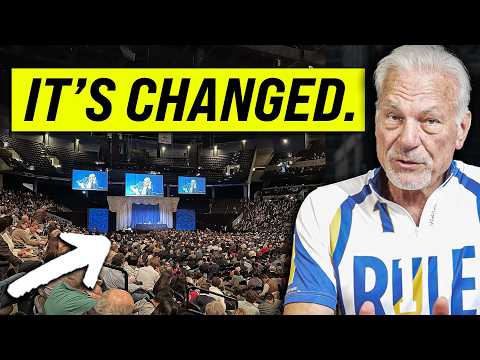
About 40,000 people fly into a mid-size Nebraska city every spring to sit in an arena and listen to someone answer wide-open questions for about six hours. If you've never been, that fact sounds insane. But it makes complete sense once you understand what the Berkshire Hathaway annual meeting actually is.
"For 60 years, Warren and Charlie weren't just running a company. They were teaching a philosophy. Not only a philosophy of investing, but a philosophy of life."
People call this thing Woodstock for capitalism, and that's not marketing copy. That's just what it is. The investing strategies are the best in the world: pay a fair price, think like an owner, be patient. The meeting was a six-hour unscripted classroom, and class was always in session. That's why you had longtime Berkshire shareholders sitting next to academics sitting next to first-time investors, all in the same room, hanging on every word.
For 60 years, that room held. This year, it held differently, and I want to walk you through exactly how.
What Actually Happened Inside the Arena in 2026
Charlie is gone. Warren wasn't on stage. Those two facts carried a weight in that room that was hard to describe until you were actually standing in it.
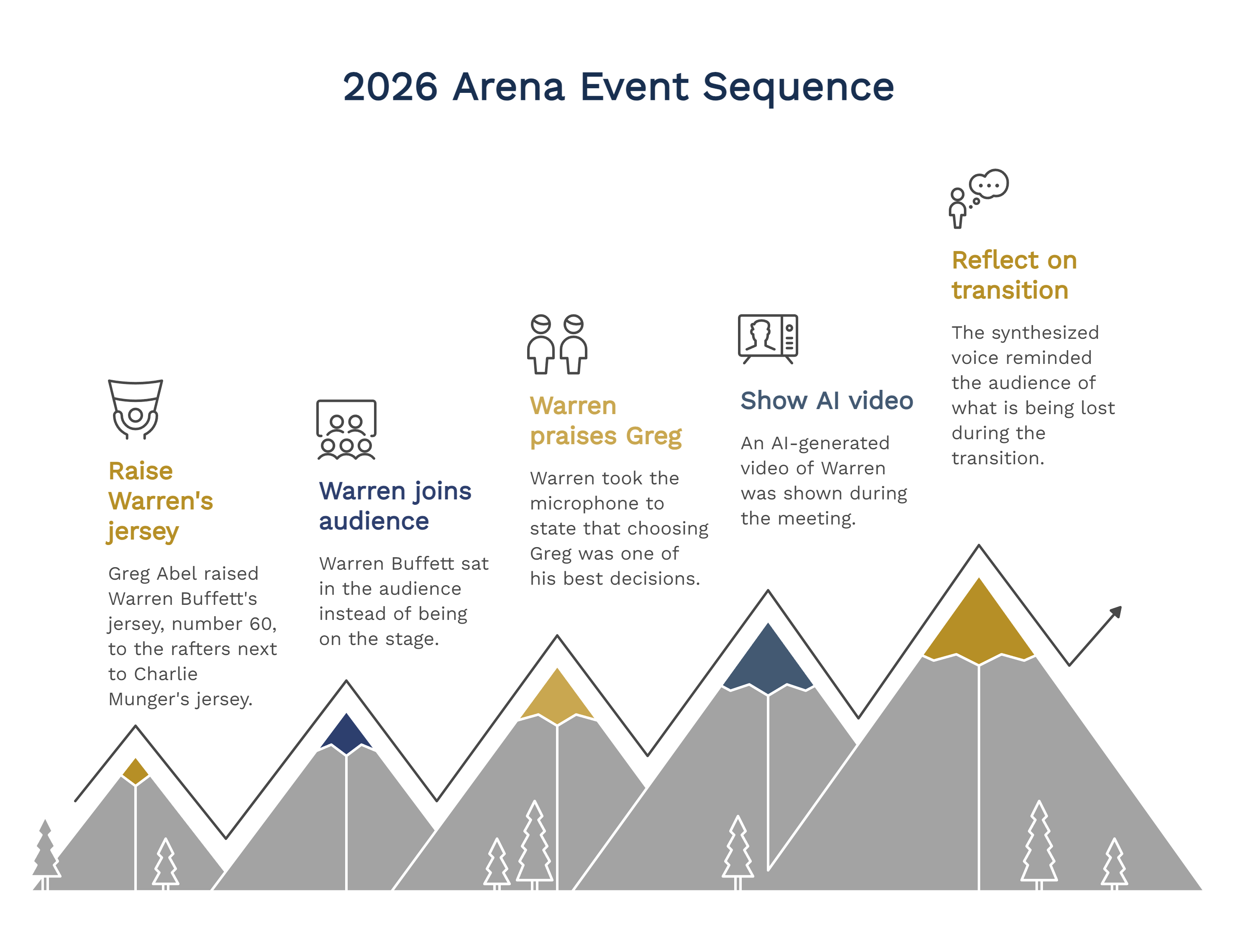
Greg Abel walked out, and the first thing he did was exactly right. He raised Warren Buffett's jersey to the rafters: number 60, for 60 years. It went up next to Charlie Munger's jersey, number 45, which was already up there. That place came apart. Standing ovation, people crying, the whole weekend's tension releasing in one moment.
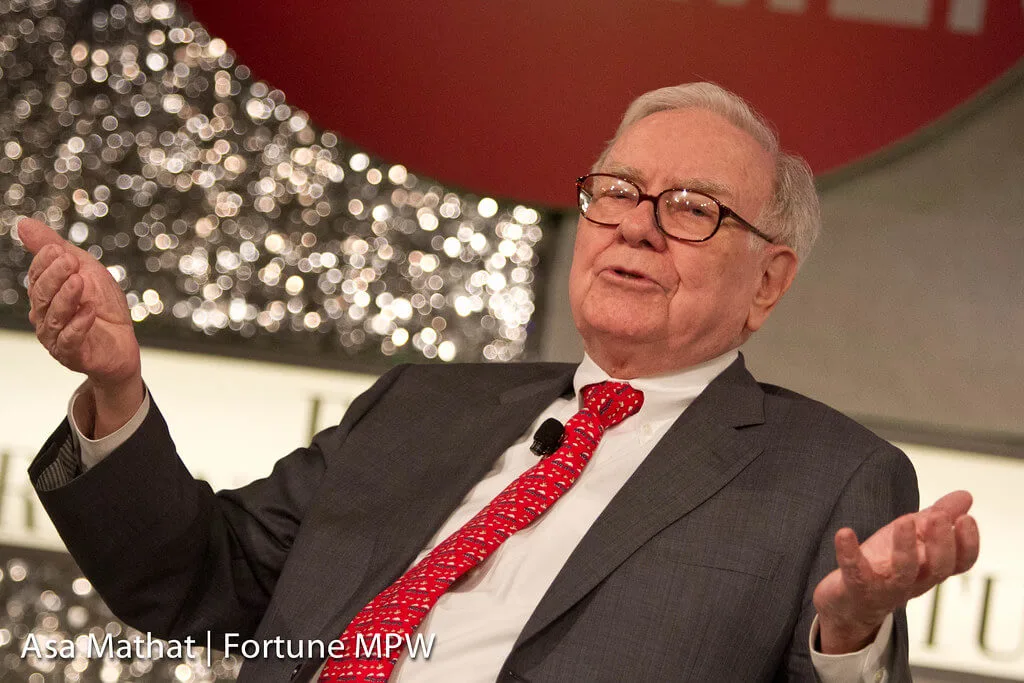
Then there was Warren himself, and this is the part that got me. He wasn't on the stage. He was in the audience, in a seat, just like one of us.
At one point he took the microphone from the floor and said choosing Greg was one of the best decisions he ever made. He pointed out it was the anniversary to the day of when he made the original announcement. That moment landed hard in a good way.
There was also an AI-generated video of Warren shown during the meeting. The people who made it clearly cared, and it wasn't disrespectful at all. But there is something, and I'm still not entirely sure how to put this, about a synthesized voice standing in for a guy who is right there in the building.
It lands strange. It reminded me of what we're losing, even as we were watching the transition happen in real time. I'll be straight with you: it was a little sad.
Greg Abel's Genuinely Smart Debut
I want to be careful here, because "workmanlike" might sound like a knock on Greg Abel and it is absolutely not. For this particular weekend, it might be the highest compliment I can give him.
Greg made one genuinely wise decision. He didn't try to be Warren Buffett. He didn't reach for the folksy one-liners. He didn't try to do dry Munger wit. He didn't attempt anything close to the Buffett cadence. What he did instead was answer questions like an operator who knows where every bolt in a massive conglomerate is, which is remarkable all by itself.
He ruled out breaking up Berkshire, which matters a lot to people watching the stock for signals about how the company creates value going forward. He talked about continuity. He addressed how Berkshire is thinking about applying AI across its businesses. He was steady, competent, and completely himself.
Here's the thing. If he had tried to do an impression of Warren Buffett, it would have been a disaster, and he knew better than that. The magic was thinner, and I heard other people say it quietly out in the hallways too. You're not hanging on every word the way you do with Warren. Sixty years of unscripted Buffett drawing from a lifetime of experience and putting it into words, that specific thing is not coming back. But that's not Greg's job. His job is to go be Greg Abel and run the company. He did exactly that.
The Value Investing Principles Did Not Step Down
This is the first thing I'm taking home from Omaha, and I want to say it plainly.
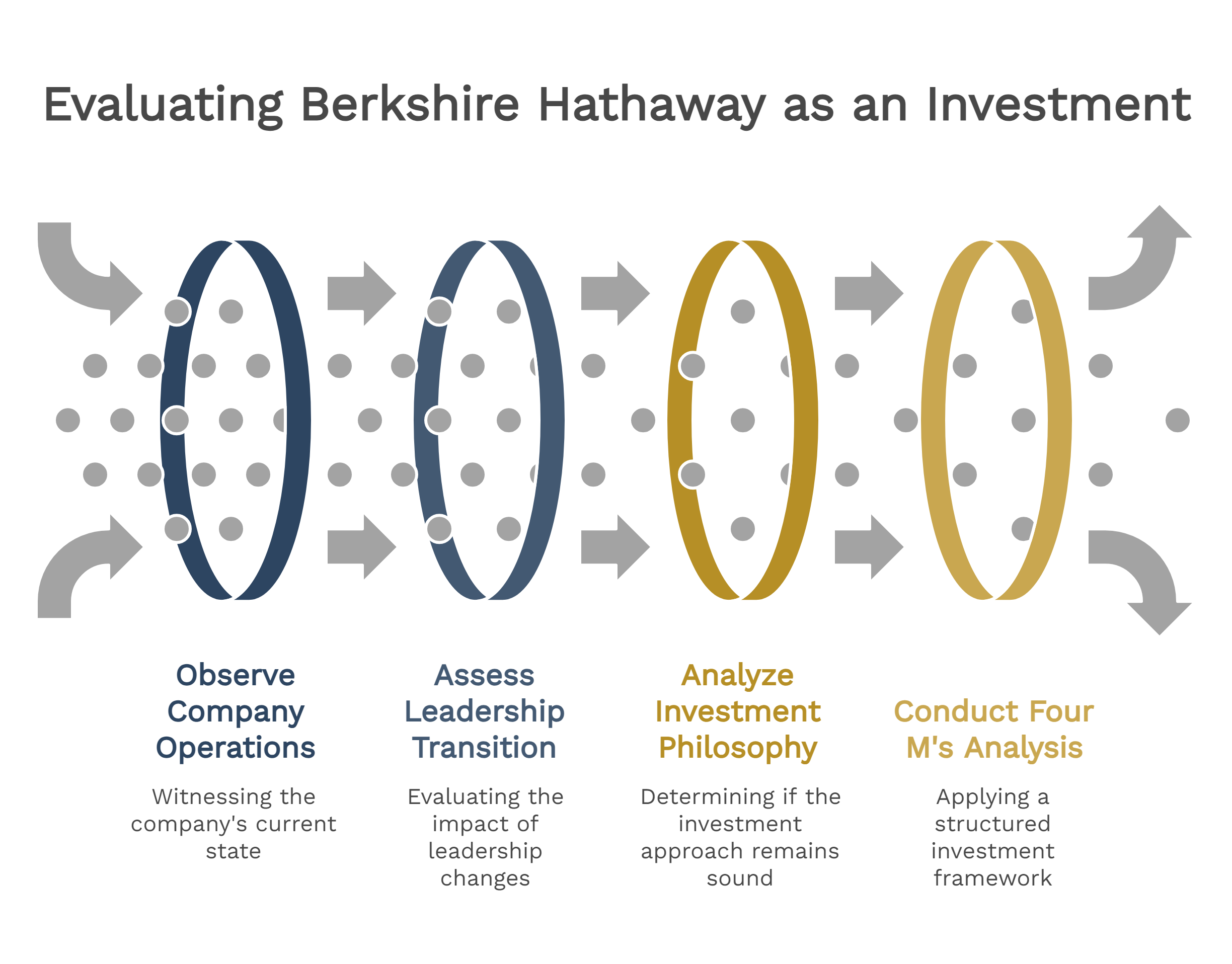
The value investing principles that Buffett taught for 60 years are completely intact. The framework that runs Berkshire Hathaway without Warren Buffett is the same framework it always ran on: Meaning, Moat, Management, and Margin of Safety.
Buy a wonderful business you understand. Make sure it has a durable competitive advantage. Make sure it's run by people who are honest and capable. And only buy it when the price gives you a margin of safety against being wrong. None of that walked out of the building when Warren stepped down.
Greg Abel confirmed it throughout the meeting. The word he kept coming back to was continuity, and that word matters. When people ask whether Berkshire without Warren Buffett is still the same company philosophically, the answer from the man who is actually running it is yes.
This is also the philosophy Rule #1 Investing was built to teach. I didn't create a new system. I took what Buffett proved works across 60 years and structured it so that everyday investors could actually apply it.
When people ask me whether Berkshire is still a good investment, I tell them that question depends entirely on whether they've done the work. The philosophy is intact. What you do with that is your decision.
Woodstock Was Never the Stage
I had it wrong for years. I thought the Berkshire meeting was about the arena. About the two guys at the table, the six hours of questions, the room full of people hanging on every word. That was the thing, I thought.
I was wrong.
"Woodstock was never the stage. Woodstock was about the audience. It was about the half a million people in the field getting muddy."
The real reason 40,000 people showed up in Omaha without Warren on stage is not because the arena was still going to be transcendent. It's because the arena was never the entire reason they came. The tribe came to be with the tribe.
I've learned more about investing in the hallways of Omaha over the years than I ever learned sitting in the arena. The conversations over dinner, the introductions in the lobby, the people you run into at the same events year after year, that is where the real education has always happened. This year, without Warren at the table, that fact became impossible to ignore.
What I Actually Did in Omaha This Year
I made sure I got into Omaha Thursday night to catch Matt Peterson's soiree. Matt started this thing about a decade ago in the backyard of a house somewhere in western Omaha. It was just a small gathering of friends then. Now it's network city from the moment you walk in. Serious investors, people who have been showing up for years, and a few new faces every time.
The next day I was at Guy Spier's Value X program. If you don't know about it, Guy runs a gathering of value investors from around the world, and this year it was standing room only. Mohnish Pabrai was there, talking about investing. Guy himself got up, and I can tell you he has earned his scars as an investor and he's one of the best people I know. The conversations in that room don't happen anywhere else.
Then there was Brandon van der Kolk's New Money Gathering. Brandon has over a million people on his YouTube channel, all focused on Buffett and Munger. I was up on stage with Divya Narendra, an early figure in the founding dispute behind Facebook who now runs SumZero, which is a community built around serious Buffett-style investors.
The room was full of young investors, a lot of them right at the beginning of this journey. They weren't there to see a celebrity. They were there to find their people. And a lot of them were Rule #1 community members, which made it pretty great for me personally.
The Tribe Held
Warren and Charlie didn't just build a company. They didn't just teach a philosophy. They built a tribe. And the real test of whether you built something that lasts is simple: does it stand up when you're not in the room?
This year was that test for everything Warren put together over 60 years. He handed someone else the keys to one of the largest companies on earth. Then he sat in the audience like a student and watched what happened.
Let that sink in for a second. The most famous investor alive handed over the keys and then sat down to watch. What happened was the tribe showed up. 40,000 people came anyway. The dinners happened. The hallway conversations happened.
Old friends who only ever see each other in Omaha found each other. New faces walked in and found their people.
People who are 25 years old asked me the same questions I was asking 30 years ago. That's not a sign of something fading. That's a sign of something growing.
The Two Things I Am Taking Home
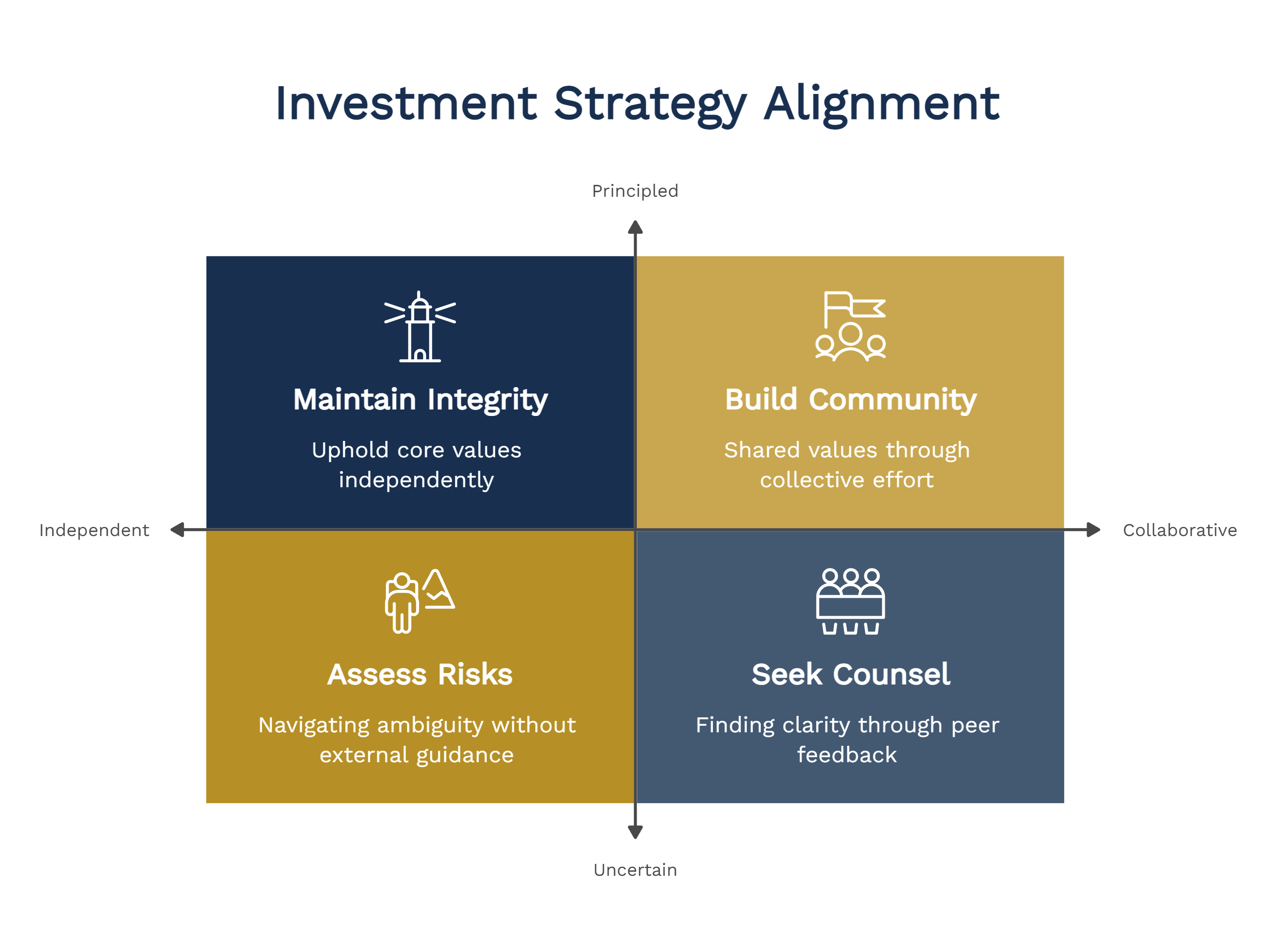
Takeaway 1: The philosophy didn't step down.
The framework I laid out above did not change when Warren did. Greg Abel stood at the front of that room and confirmed it, chapter and verse. If you were worried that Berkshire was drifting away from its principles, what you saw from the new CEO should put that concern to rest.
Takeaway 2: You can't do this alone.
The investors who win long-term are usually the ones who surround themselves with other people doing the work. People who will tell you when you're wrong. People who share what they're reading. People who keep you patient when the market is losing its mind. That's what Omaha reminded me this year, and it's the takeaway I most want you to absorb.
How to Invest Like Warren Buffett
Here is the good news for the rest of us. The approach I watched survive this transition is not locked inside that arena, and you don't need a seat in Omaha to use it. It's learnable, and it's the same approach everyday investors can put to work on their own. If you're starting from scratch and want to invest like Warren Buffett without piecing it together from scattered advice online, my guide on how to invest in stocks walks you through the process one step at a time.
How to Find Your Investing Tribe
You don't have to fly to Omaha to find your people. But you do need to find them somewhere.
The Rule #1 Virtual Investing Workshop is the closest thing I've built to those Omaha hallway conversations. It's three days, taught by me alongside two portfolio managers who manage real money. We're talking about actual companies, actual valuations, actual decisions. No selling happens at this thing. The conversations in small groups are where people tell me they finally felt like they understood what it meant to think like an owner.
If what you've taken from following Berkshire, or from this year's meeting, is that the philosophy works and the community matters, the Virtual Investing Workshop is where you put both of those things into practice.
So Is Berkshire Hathaway Still a Good Investment?
I don't give stock tips, and I'm not going to tell you whether to buy Berkshire stock. That's your decision to make after doing your own analysis.
But I can tell you what I observed in that room. The company is still run on the same principles it always was. Greg Abel is not Warren Buffett, and the magic is genuinely thinner without Warren on stage. But the philosophy of buying wonderful businesses at an attractive price, protecting capital, and thinking like an owner is fully intact.
Whether Berkshire passes your own Four M's analysis is a question only you can answer.
Come Find Your People
One more thing before I go. Watching a man hand over the thing he built over a lifetime, and watching the rest of us start to figure out what this community looks like without him at the table, that's a heavy thing. It's worth sitting with for a minute.
At the same time, here is what I came home believing more than ever. I went to Omaha. I watched the test play out. The tribe held. Warren handed the keys to Greg Abel and sat in the audience to watch, and 40,000 people showed up anyway because they came for each other.
So if you're sitting at home trying to become a better investor and you don't yet have a community around you, that's the thing I want you to fix first. You can learn the framework. You can do the research. But the people who tell you when you're wrong, who keep you patient, who share what they're reading, those people make the difference between the investor who sticks with it and the one who doesn't.
If you're ready to start learning value investing with people who are doing the same work, the Rule #1 Virtual Investing Workshop is three days of exactly that: real investing education from portfolio managers who manage real money, with time for real questions in small groups. No selling. Just the work.
Warren built something that stood up when he left the room. That's the goal for all of us. Come find your people, and let's get to work.
Reserve Your Spot for the Next Virtual Investing Workshop
Rule One Investing provides investment education and training only. We don't provide personalized investment advice, manage client assets, or guarantee investment returns. All content is for informational purposes. Consult a qualified financial professional before investing. Past performance does not guarantee future results. Individual results vary.
About Phil Town
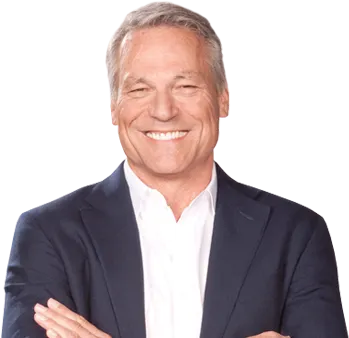
Phil Town is an investment advisor, hedge fund manager, 3x NY Times Best-Selling Author, ex-Grand Canyon river guide, and former Lieutenant in the US Army Special Forces.
He and his wife, Melissa, share a passion for horses, polo, and eventing. Phil's goal is to help you learn how to invest and achieve financial independence.
Get Phil's Free Guide