







Pension vs 401k: What's the Difference & Which is Better?
 Phil Town
 You know the things we consistently put off because we don't want to think about them? Or because we believe we can circle back to them later?
Retirement is one of those things.
But, I'm here to tell you it shouldn't be. In reality, retirement is a lot closer than you might realize, so it's important to start planning now to ensure you're able to build a comfortable, sustainable life that exists outside of a regular paycheck.
Though there are many ways to plan for retirement, there is only one that will best suit your lifestyle. Before you dive into any investment options or strategies, take a few minutes to ask yourself some key questions about how you want to spend your days outside of the corporate world, like what type of lifestyle you want to live, what activities you'd like to participate in, how much those things will cost you, and how much progress you've made toward the amount you hope to retire with.
After considering these questions, then you can begin thinking about which type of qualified retirement plan is right for you. To get the conversation started, let's compare two popular plan options: a pension vs. 401k.
How to Pick Rule #1 Stocks
5 simple steps to find, evaluate, and invest in wonderful companies.
Pension vs. 401k: What’s the Difference?
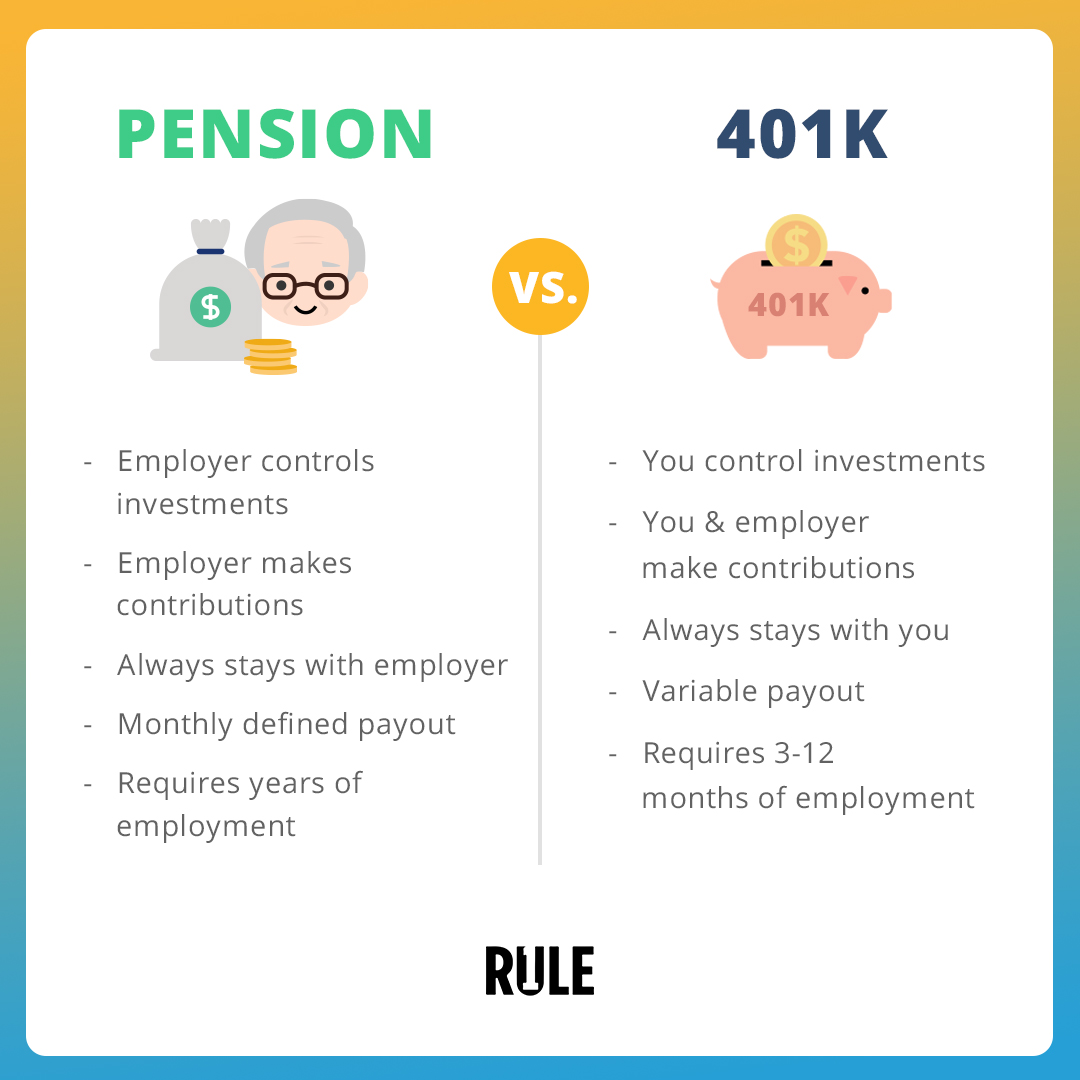
Pensions and 401ks are both types of employer-sponsored retirement plans that are cut from the same cloth. However, the most noteworthy difference between a pension and a 401k is that a 401k is a defined-contribution plan, whereas a pension is a defined-benefit plan.
And no, a 401k isn't a pension. People ask that all the time. They're both employer-sponsored retirement plans, but they work in nearly opposite ways.
Most private-sector pensions in the United States are also backed by a federal insurance program run by the Pension Benefit Guaranty Corporation, which steps in with limited benefits if a covered plan fails. That safety net doesn't exist for a 401k, since the balance in a 401k is yours and rides with the market.
Let's dig into each of these a little more.
What is a Pension?
A pension is a qualified retirement plan that provides workers with a set amount of money per month in retirement, provided they meet specific criteria.
This allocation could be set or based on a formula that factors in your annual salary and how many years you held a certain role within your company.
When you plan on retiring with a pension, your employer agrees to take on all income risks once you're done working, which means your account will be unaffected by any fluctuations that occur within the market.
Many employers will require employees to work for a set number of years before they're eligible, and a cash balance plan is one common variation on the traditional pension.
Once you choose a pension plan, you must be okay with foregoing the ability to make any investment decisions. Contributions will be made to your investment portfolio by your employer and they will be managed separately by an experienced investment professional. Plus, you'll continue to earn the same amount regardless of how your pension's investments fare.
Depending on the type of pension plan you have, you may also have the opportunity to allocate a portion of your benefits to a spouse or beneficiary after you die.
What is a 401k?
A 401k is a qualified retirement plan that allows both employees and employers to contribute and invest funds that can be used for retirement. In many cases, companies will match a specific percentage of the money that you are putting away for the future.
Through this type of retirement plan, individuals work with a 401k provider to contribute money into various investment buckets, which include mutual funds in the form of stocks, bonds, securities, or annuities. Due to the nature of this type of plan, it is crucial to monitor changes in the market so you can protect your 401k from a stock market crash if necessary.
Investments in a 401k grow tax-deferred, or tax-free in the case of a Roth 401k, and there's no limit on how large the balance can grow. However, there is a cap on the annual amount you can contribute.
For 2026, the IRS employee 401k contribution limit is $24,500, up from $23,500 in 2025. If you're age 50 or older, you can add a catch-up contribution of $8,000, bringing your total to $32,500.
Workers between 60 and 63 get an enhanced "super catch-up" of $11,250 under the SECURE 2.0 rules, and that figure replaces the standard $8,000 catch-up rather than stacking on top of it. When you include what your employer contributes, the combined limit rises to $72,000.
When you sign up for a 401k retirement plan, the percentage of funds you decide to contribute will be automatically deducted from each paycheck you receive from your employer.
There are two types of 401k plans, each with different tax implications, and the one you choose will depend on your current financial situation and which options are available through your 401k provider.
If you choose a Traditional 401k, the money you contribute to your account will be excluded from your taxable income. This means that this investment will grow tax-deferred, but when you withdraw the money in retirement, you'll be responsible for paying taxes on the accrued amount.
This is not the case with a Roth 401k. A Roth plan allows you to contribute money that you've already paid taxes on, and from there it grows tax-free. In this scenario, you'll be able to withdraw the money in retirement without owing anything more.
Pension vs 401k: Which is Better?
When it comes to identifying a qualified retirement plan that works for you, determining whether a pension vs 401k would be a better fit depends on a variety of individual factors.
Pensions can be the safest all-around option since risks will be managed by your employer and you'll be guaranteed that set income for the remainder of your life.
Even still, solely retiring with a pension is one of many money traps to avoid in your later years. Social Security benefits are not what they once were, so you may not be able to afford your current lifestyle in retirement if this is your only strategy.
Before you commit to either path, run your own numbers. Use our retirement time calculator to calculate exactly what you need to retire and see how long your current savings pace will actually last.
Which Has Better ROI?
If you're wondering whether to invest in your company's 401k instead, there are some real return-on-investment differences between a pension and a 401k.
As I mentioned, a 401k will put you directly in charge of your investments, their growth, and the money you'll be able to save for later.
Retiring with a 401k also offers more flexibility than retiring with a pension since the funds can be moved if you decide to change jobs or open up an IRA account. Transferring funds from one 401k provider to another is a fairly simple process.
A pension, on the other hand, cannot be moved. It's always in the hands of the employer that manages it. Due to this limited flexibility, many companies have stopped offering pensions, and instead, promote the slew of benefits associated with a 401k.
At Rule #1, we prefer 401ks over cash balance plans because they put you in the driver's seat. If you're weighing the trade-offs, it's a good moment to think about whether you should invest in your company's 401k and how much.
Here's the honest part, though. A 401k gives you control on paper, but most default plans limit you to a short menu of mutual funds that may not reflect what you actually understand as an investor. Rule #1 investors take that control further and learn to buy a wonderful business at an attractive price.
For the deeper argument on that, read why Rule #1 investors don't just rely on their 401k.
Can You Have Both a Pension and a 401k?
Yes. Some workers have access to both a pension and a 401k or 403b at the same time, especially in government, education, healthcare, and some union roles. It's not as rare as it used to sound.
When both are on the table, it usually makes sense to treat them as a two-part strategy. The pension gives you a guaranteed income floor you can count on each month, and the 401k adds growth and flexibility, since you decide how the money is invested and can take it with you if your career changes. Together they cover different risks, the pension protects against outliving your money, and the 401k keeps a single pension from being your only lever.
This isn't a blanket recommendation. It's a reminder that pension vs 401k isn't always an either-or question, and if your employer offers both, it's worth understanding how each one fits the bigger picture.
Tips for Investing After Retirement
Your money management knowledge shouldn't just evaporate because you're no longer working. Once you're able to enjoy your regularly scheduled time away from the office, you'll want to make the most out of the money you've saved.
And if you didn't quite hit your goal number by the time you finished working, beginning to invest can help you bridge the gap between your current financial situation and your aspirations.
If you decide to start investing after you retire, you'll want to eliminate bad, high-interest debt first. The longer this debt lingers, the more it will hold you back from the financial future you desire.
Second, you'll want to embrace the mentality of starting small. This may sound counterproductive, but if you familiarize yourself with businesses that you have a lot of knowledge about, you'll be able to make smarter investment decisions.
If there are stocks in the market that you already know about and expert investors are interested in, you can walk away confidently knowing your money is working for you.
And last but not least, you'll want to focus on staying within a cash environment and wait for one of the companies that you have your eye on to go on sale, which typically happens when the stock market crashes. That's the moment to buy a wonderful business when it's trading below what it's worth, then give it time to work. And all of this is possible while in retirement.
Start Planning Your Retirement Today
So, if you want to know how to start investing or need a refresher on the best strategies for success, become a Rule #1 investor. Our resources go beyond explaining the difference between a pension vs 401k. We provide you with actionable insights that you can use to start investing like some of the best in the business.
If you want to go deeper than reading, join me at the Virtual Investing Workshop. My coaches and I will walk you through finding wonderful businesses, valuing them properly, and buying them with a margin of safety.
That's the same method I've used for decades, and it's how a lot of Rule #1 investors move beyond their default 401k options.
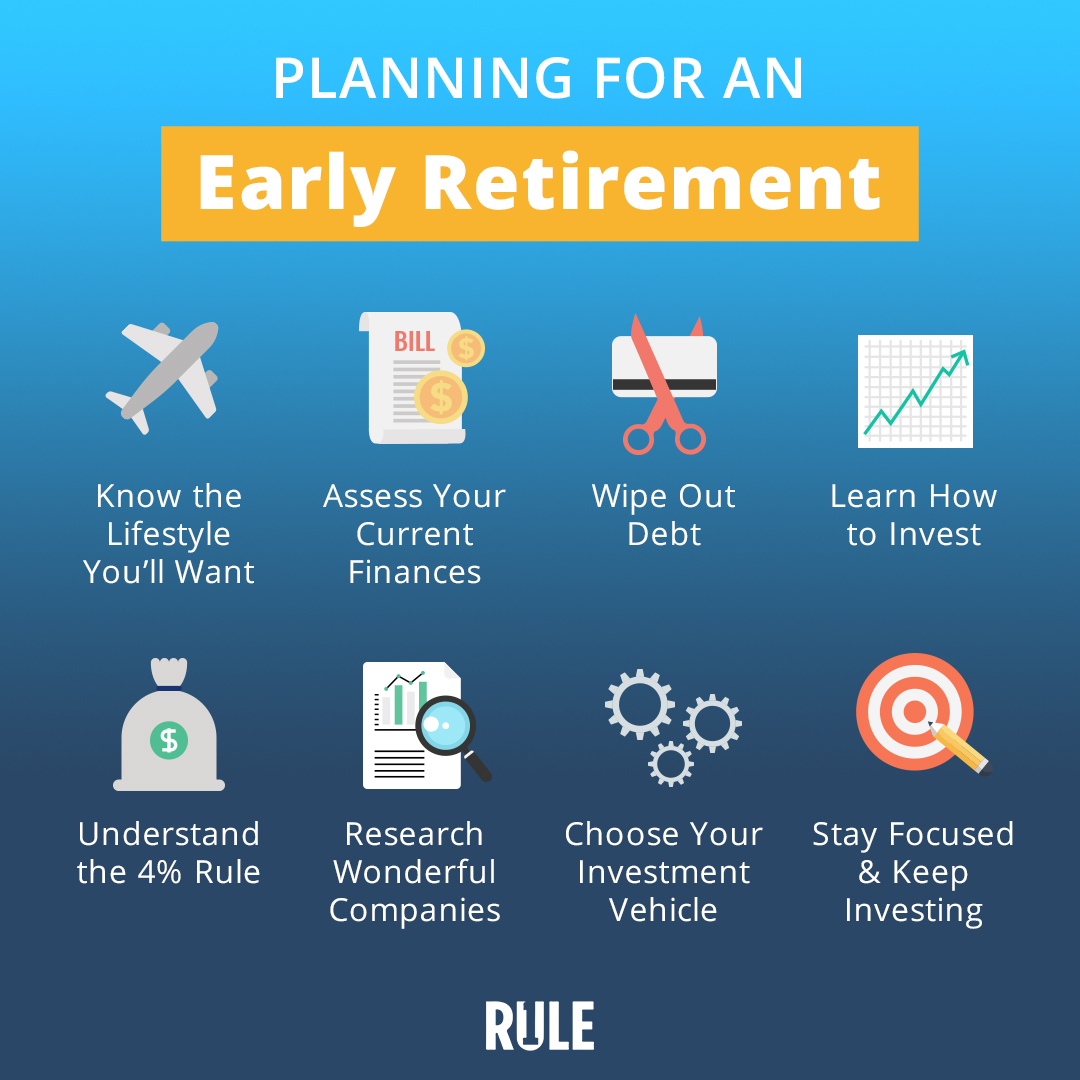
But, wait. Weren't we just talking about retirement?
It's getting more and more difficult to retire on your timeline, and most people won't even save enough money to make it last through their retirement.
So, if you want to examine your current financial situation to figure out whether a pension vs. 401k is right for you, take my Retirement Quiz. It includes a short list of questions that will give you real insights into how prepared you are for life after work.
For a broader look at how the whole picture fits together, read our guide on how to plan for retirement.
Rule One Investing provides investment education and training only. We do not provide personalized investment advice, manage client assets, or guarantee investment returns. All content is for informational purposes. Consult a qualified financial professional before investing. Past performance does not guarantee future results. Individual results vary.
How to Pick Rule #1 Stocks
5 simple steps to find, evaluate, and invest in wonderful companies.

About Phil Town
Phil Town is an investment advisor, hedge fund manager, 3x NY Times Best-Selling Author, ex-Grand Canyon river guide, and former Lieutenant in the US Army Special Forces.
He and his wife, Melissa, share a passion for horses, polo, and eventing. Phil's goal is to help you learn how to invest and achieve financial independence.
Get Phil's Free Guide