
Inflationary pressures, fluctuating interest rates, geopolitical tensions, and the lingering economic effects of previous global disruptions continue as we enter 2026. As a result, the stock market remains volatile, making investment decisions particularly challenging this year.
As you begin to look at the year ahead and wonder how you should invest given everything going on, you may be considering other types of investments. Or maybe you're just starting and wondering what to invest in as a beginner and what to avoid. There are many types of high-risk investments that I'll cover below, but it's important to know that these risky investments are often extremely enticing. So you'll need to be diligent to make sure you avoid them.
Here’s what you’ll discover in this guide to high-risk investments in 2026:
The most common types of high-risk investments and why they’re so tempting
Real-life examples of risky investments that can derail your financial plans
How to spot red flags and avoid common investing mistakes
Tips for building an investment strategy that matches your risk tolerance
Smart alternatives to help you grow your wealth without unnecessary risk
Let’s dive in and explore how you can avoid the pitfalls and invest with peace of mind.
Free Cheat Sheet to Value Investing
Achieve financial freedom with this time-tested investing strategy
Risk vs. Return
High-risk investments are often associated with high rewards. This is the only reason people partake in these types of investments. If you hit your luck just right, you stand to make a big return on your money, but you stand a greater chance of losing a big chunk (or all) of your money.
This is gambling, not investing.
Low-risk investments are often associated with low rewards, which makes them much less enticing. Examples of low-risk investments include bonds, CDs, and mutual funds.
While these types of investments are generally considered “safe,” they usually can barely hedge for inflation. Without a substantial return, you could be losing out on a huge amount of money that would benefit you during your retirement years.
With any type of investing, there is always some level of risk. None of us can predict which way the market will turn, but there are steps you can take to dramatically reduce your risk and achieve substantial returns.
I'll get to how you can build wealth through low-risk, high-return investments later, but if you want to make sure you have something to invest in the first place, stay away from these high-risk investments this year.
Understanding Investment Risk: What is a High-Risk Investment?
Before we dive in, let’s get on the same page about what makes something a high-risk investment. In a nutshell, high-risk investments are those where you stand a real chance of losing a significant chunk of your initial investment. Sure, the potential rewards can look tempting. But the risk involved? It’s often not worth the heartache.
High-risk assets demand a long-term perspective. A minimum five-year investment window is generally required to absorb volatility and navigate cyclical lows. Also, liquidity risk is a major factor in high-risk investing, as fixed lock-in periods and low market activity can prevent you from accessing cash when it's most critical
Now, not all risky investments are created equal. Many people say stocks are high-risk investments, but this is a broad generalization. Stocks can be one of the smartest investments if you know what you're investing in. However, there are plenty of ways to invest in stocks that aren't smart.
High-risk investments are attractive because they dangle the carrot of significant returns. But here’s the catch: the higher the potential reward, the greater the risk of significant losses. It’s a bit like gambling in Vegas. Sometimes you win, but most of the time, the house does.
If you’re serious about reaching your financial goals, it’s crucial to remember that investing isn’t about luck. It’s about strategy, discipline, and understanding the risks involved with each particular investment. Current 2026 forecasts point to a bull market shadowed by high risk. While growth remains favorable, success now depends on precise asset selection and hands-on oversight.
Types of High-Risk Investments
Here are some examples of high-risk investments that get people into trouble:
Investing in Companies You Don't Understand
One of the biggest investing mistakes people make is investing in companies they don't understand. You probably see this all of the time and may even be guilty of doing it yourself.
You read a positive article about a business, hear their founder talk on a podcast, or love their product, so you decide to buy the company's stock.
But do you really understand how that company works or know if they're making a profit?
Investing based on tips from so-called experts without conducting personal research is a prevalent high-risk mistake. Relying solely on recommendations from media personalities or online influencers without understanding the underlying business can lead to poor investment decisions. It's crucial to perform independent analysis and ensure that any investment aligns with your financial goals and risk tolerance.
Another example of this is using a robo-advisor. When a robo-advisor makes investment decisions for you, you have no idea why they're making those choices.
As enticing as it may be to have a bot do the work of picking your stocks for you, all it's doing is spreading your investment out amongst hundreds (if not thousands) of companies to try and mitigate the risk of losing money. With this strategy, you can expect meager returns.
You can't begin to invest properly without first understanding the businesses you're investing in. If you do, you're investing based on speculation and putting your money at risk.
Overvalued Companies
Another all-too-common mistake, and one of the main types of high-risk investments, is purchasing companies at a price that exceeds their value.
This is one of the foundational principles of Rule #1 investing and all value-based investing strategies: buy stocks when they're on sale or priced lower than their intrinsic value.
Right now, tech companies are some of the most overvalued stocks on the market. If you're considering investing in tech, think twice. Not only because they're currently priced sky-high, but also for several other reasons. Buying into overvalued companies can lead to significant losses when the market value comes back down to earth.
Everything you need to know about finding and buying stock on sales Free Cheat Sheet to Value Investing
Companies with Bad Management
A company is only as good as its management!
Whether its leaders are inexperienced, take on a lot of debt, buy back stock at record high prices, or make a slew of other poor decisions, a company with bad management is a risky investment.
Great management, on the other hand, such as a CEO with a track record of success and sound ethics, is one of the key components of a smart investment.
Businesses Without a Durable Advantage
We don't know where the market is headed, so any company you invest in during 2023 should be able to withstand a market correction or recession. A substantial moat or advantage that protects them from the competition is a critical component of this.

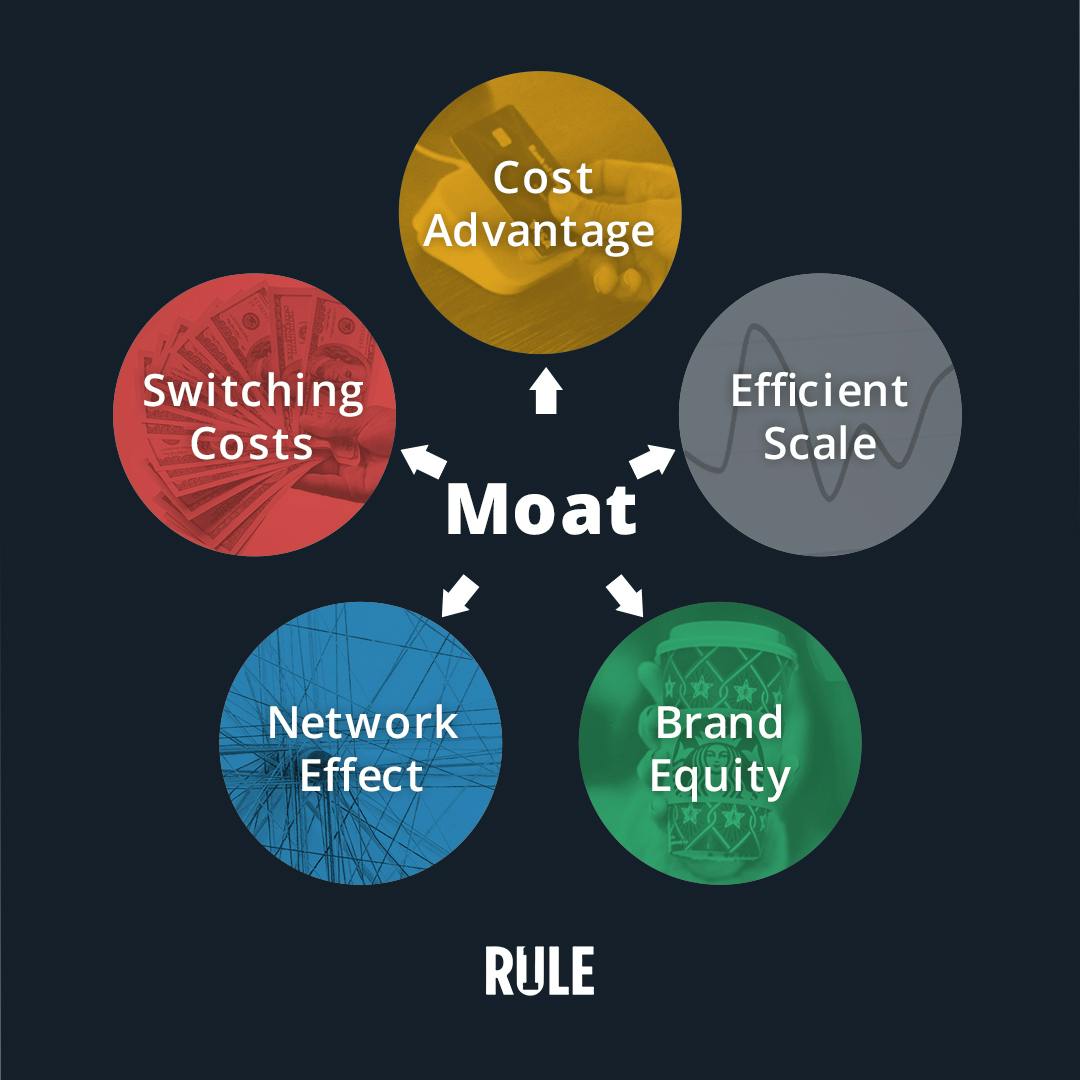
A company with an impenetrable brand, patented products or services, location dominance, or control over market pricing will be much more likely to survive a market crash or an industry-specific event.
Another type of investment that falls under this category is a leveraged Exchange Traded Fund(ETF). When you purchase an ETF vs an individual stock, you're betting on the average stock price of the entire index or industry, so you're not benefiting from the potential returns of investing in the great companies that significantly outperform their competitors.
Some people increase their risk even more by investing in leveraged exchange-traded funds. This aims to double or triple the returns of a stock market index but can also double or triple your losses.
Investing in the Next Big Thing
Another almost sure way to nearly lose all your money is by investing in the “next big thing.”
It's imperative not to let the hype around a certain company or stock sway you when investing. I made this mistake back in the 90s when I invested in NeXt Computers — a high-profile tech company that was supposed to be “the next big thing.” But I learned my lesson.
A few common examples of this today are cryptocurrencies, IPOs (Initial Public Offerings), and meme stocks. IPOs carry inherent risk because there is no established track record for how a company will perform under the scrutiny of public trading. Meanwhile, meme stocks are driven high or low simply based on social media influence.
Meme Stocks
Meme stocks have garnered attention due to their rapid price surges driven by social media hype rather than fundamental financial performance. This speculative behavior can lead to significant financial losses for uninformed investors. Cathie Wood, CEO of Ark Invest, recently expressed skepticism about the longevity and value of meme coins, predicting that many would face substantial price declines and may not hold long-term value. Investors are advised to approach such investments with caution, recognizing the high risks associated with speculative trading.
Cryptocurrency market
Cryptocurrencies are the most notable example of this type of high-risk investment. Crypto is certainly poised to be “the next big thing,” which should make the savvy investor wary. Given their incredible volatility, your investment could gain or lose 50% in a day, making it extremely high-risk. Cryptocurrencies are high-risk because their value isn't tied to physical assets or company earnings, making their market price much harder to predict
In 2026, cryptocurrencies continue to be highly volatile and subject to significant regulatory changes. The increasing prevalence of sophisticated scams targeting crypto investors highlights the need for heightened vigilance.
A past case involved a stuntman losing nearly £50,000 to an elaborate cryptocurrency scam, underscoring the risks associated with unregulated digital assets. Investors should exercise caution, conduct thorough due diligence, and be wary of offers promising unusually high returns.
Rule #1 Investors learn how to manage their emotions and make sound decisions based on facts, not fanfare.
Investing for the Short Term
Another thing every Ruler learns to do is invest for the long-term. This is because the invisible hand dictates that the market always prices companies at their true value, given adequate time.
However, in the short term, the prices of stocks are largely influenced by the whims of investors, which makes investing for the short-term inherently risky.
A common short-term investing tactic is day trading, which is buying and selling the same stock over the course of a day to hopefully make money off of price fluctuations. This is essentially gambling.
Another short-term tactic is trading options. While buying options can be a good investing strategy, it is more complex and shouldn’t be attempted by the novice investor.
If, however, you know how options work and how to apply Rule #1 investing strategy to purchasing puts or calls, you can use this short-term strategy in a low-risk way.
Investing for the Short Term
Another thing every Ruler learns to do is invest for the long-term. This is because the invisible hand dictates that the market always prices companies at their true value, given adequate time.
However, in the short term, the prices of stocks are largely influenced by the whims of investors, which makes investing for the short-term inherently risky.
A common short-term investing tactic is day trading, which is buying and selling the same stock over the course of a day to hopefully make money off of price fluctuations. This is essentially gambling.
Another short-term tactic is trading options. While buying options can be a good investing strategy, it is more complex and shouldn't be attempted by the novice investor.
If, however, you know how options work and how to apply Rule #1 investing strategy to purchasing puts or calls, you can use this short-term strategy in a low-risk way.
Investing in Cheap Stocks
What's more enticing than investing in a stock for mere pennies that one day could be worth thousands? This is a trap that many investors fall into. Penny stocks are low-priced securities of emerging companies that typically lack the regulatory transparency and trading volume required for reliable market entry and exit. Lesson: Just because you can buy penny stocks at a good price doesn't mean you should.
As Rule #1 investors, we always want to buy stocks when they're “on sale,” but that isn't the same thing as “cheap.”
“On sale” stocks are priced lower than their intrinsic value. Whereas penny stocks are cheap because they're not worth very much in the first place. It's crucial to understand what a company is worth before investing in it if you want to reduce your risk.
What About Mutual Funds, Bonds, and Other Investments?
Not all investments are created equal when it comes to risk. Mutual funds, for example, can be a way to diversify your portfolio and lower risk, but not all funds are the same. Always check the fund’s investment objectives, the types of assets it holds, and how it performs in a down market. High-yield bonds are a mixed bag of opportunity and instability. The spectrum ranges from resilient companies on the rise to struggling firms merely treading water.
Similarly, government bonds and treasury bonds are generally considered lower risk. However, even these can be affected when interest rates rise, and bond prices fall. Corporate bonds, high-yield (junk) bonds, and money market funds each come with their own risk profiles. It’s important to match your investment strategy to your risk tolerance and financial goals.
How to Build Wealth Without Taking on Significant Risk
Here’s the good news: you don’t have to gamble your future for the chance at high returns. There’s a smarter way to invest that balances risk and reward, and it’s all about following the right investment strategies.
What are Low-Risk Investments?
If you're looking for low-risk, high-return investments, you need to learn to invest the Rule #1 way.
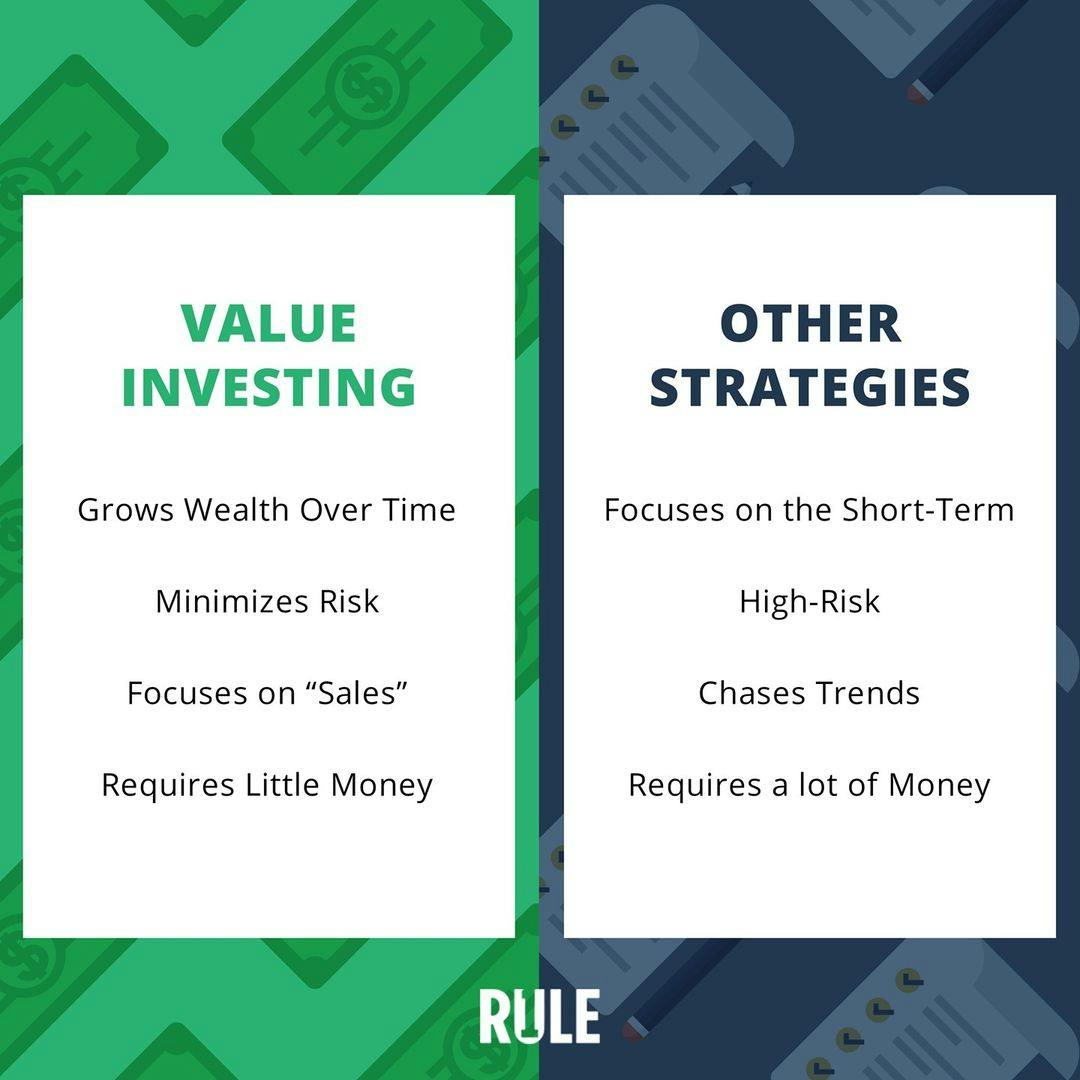
This means following the principles of value investing, many of which I've discussed above, and sticking to the 4Ms: a company you understand that has meaning to you, with great management, with a solid moat, and priced with a margin of safety. When you do this, you can dramatically minimize your risk and maximize your return.
Quick checklist for lower risk investments:
Invest in companies you understand
Look for strong, ethical management
Seek out businesses with a durable advantage (moat)
Only buy when the price is right (margin of safety)
Build a diversified portfolio to spread out risk
Consider dollar cost averaging to smooth out market volatility
To learn how to invest and build a successful investment portfolio, grab my Value Investing Cheat Sheet to help grow your wealth the right way.
Invest Smart, Stay Away from High Risk Investments
Investing doesn’t have to be a nerve-wracking experience. By avoiding high-risk investments and focusing on tried-and-true strategies, you can work toward your financial goals with confidence.
If you’re ready to take the next step, grab our free Value Investing Cheat Sheet. It’s packed with tips to help you grow your wealth the smart way. No wild risks required.
Here’s to making 2026 your best investing year yet!
Attend a Rule #1 Workshop
Learn how to conduct research, choose the right companies for you, and determine the best time to buy.