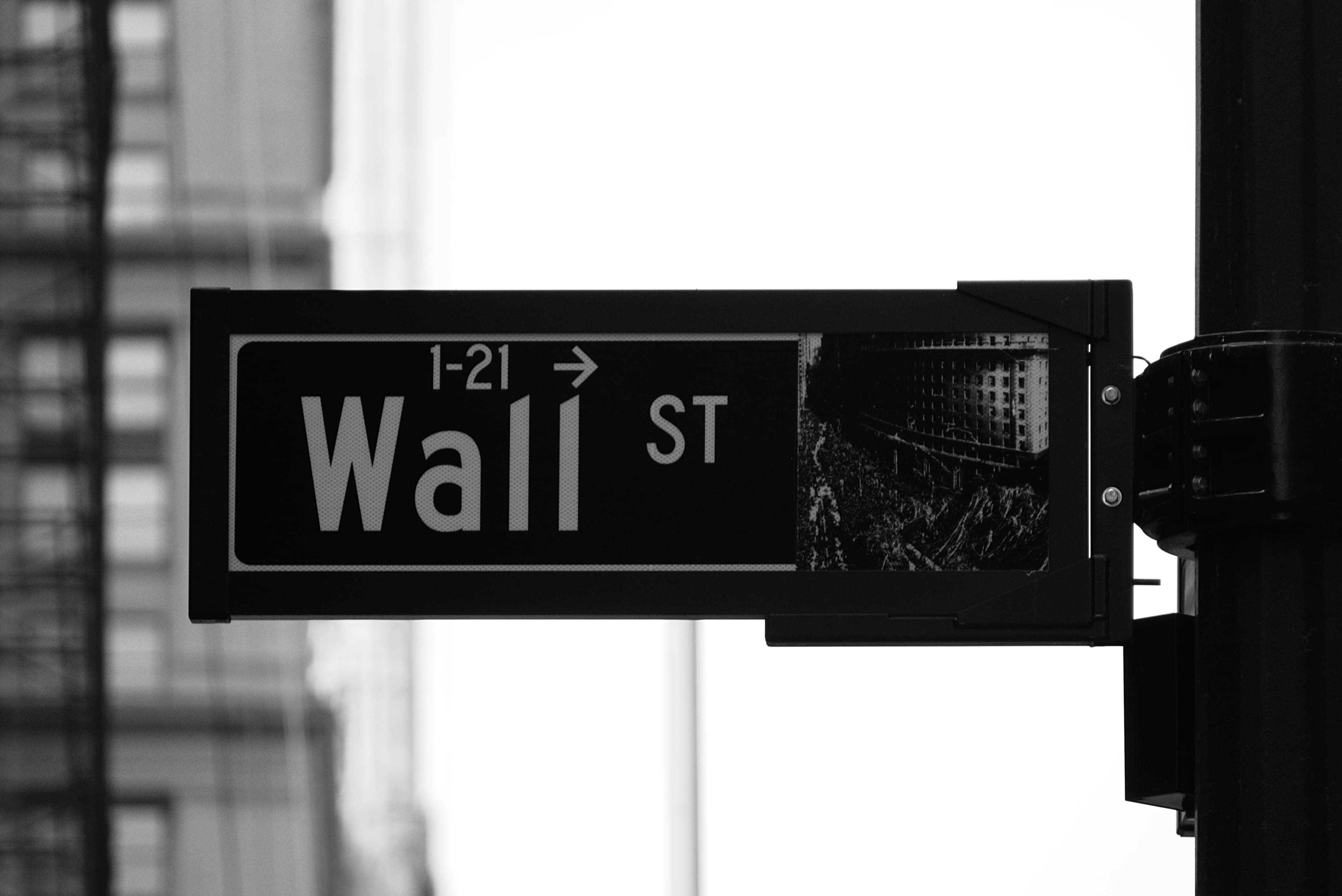

The sudden collapse of Silicon Valley Bank sent shockwaves through the financial world. Investors and everyday savers were left questioning the true safety of their money. When a major institution falters overnight, it reminds us that even established players aren’t immune to risk. Moments like this demand careful attention. They also offer an opportunity to learn.
In this episode of the InvestED Podcast, we dig into the story behind bank failures. We discussed the unique dynamics of publicly traded banks and the incentives that drive banking leaders. Our conversation covers the historical roots of banking regulations. We also share real-world consequences for both investors and communities. Our firsthand experience brings these issues to life.
Understanding the forces that shape our financial system isn’t just for Wall Street insiders. Tune in to gain a clearer perspective on how today’s banking realities can impact your financial future.
Here are three reasons why you should listen to this episode:
Discover the real story behind Silicon Valley Bank’s collapse and what it means for your money.
Learn how public incentives affect bank safety, and the safety of your investments.
Gain practical tips on how to spot banks that put your interests first.
Resources
Rule #1s "InvestED" Podcast and Website - Website | Apple Podcast | YouTube
Visit Rule #1 for more investing resources: Website | Facebook | LinkedIn | X (Twitter) | Instagram
Danielle Town: Website | LinkedIn | Instagram | Facebook | YouTube | X (Twitter)
Collapse of Silicon Valley Bank
The sudden failure of Silicon Valley Bank was a wake-up call for both investors and everyday savers. Overnight, a well-known institution disappeared, forcing many to question how banks actually operate and how secure their deposits truly are.
Events like this reveal just how quickly things can change in the world of finance. Even the most established banks are not immune to risk or mismanagement. When there is a bank failure, it exposes the hidden vulnerabilities within the entire system. This forces us to pay closer attention to where we keep our money.
Understanding how banks work and what can go wrong is essential for protecting your wealth. Staying informed and asking the right questions can help you make smarter decisions. When the financial landscape feels uncertain, bank safety may or may not be your most important criterion.
The Push for Growth and Public Capital
When banks make the transition to being publicly traded, they gain access to significant capital from investors. This influx of funds allows for rapid expansion, more branches, and new investment opportunities.
However, this growth doesn’t come without trade-offs. Public banks face constant pressure to deliver profits every quarter. That pressure can shift priorities from long-term stability to short-term gains.
In this environment, risk-taking can become more common than it would be in a privately held bank.
Shareholder Demands and Risk Appetite
Publicly traded banks must keep shareholders satisfied. This often means showing continuous growth and steady profitability, no matter the market conditions. To meet these expectations, decision-makers may chase higher-yield investments or adopt aggressive lending practices. These strategies can boost short-term results, but sometimes come at the expense of bank safety and soundness.
Over time, this approach can introduce hidden risks into the system. When banks put shareholder returns ahead of prudent risk management, the long-term stability of the institution may suffer. Investors should pay close attention to how a publicly traded bank balances these competing demands.
Expansion Versus Prudence
Expanding into new markets and opening more branches can certainly bring fresh opportunities. Growth can attract new customers and increase profits. But rapid expansion can also stretch a bank’s resources thin, making it harder to maintain oversight and control.
The drive to grow quickly can sometimes lead banks to overlook careful risk management. When growth outpaces discipline, the likelihood of costly mistakes rises.
“Banks maybe are not a good business in which the incentives are to grow. Banks are maybe the kind of business that needs to be incentivized to be safe.” Sustainable success requires a balance between ambition and prudence.
Leadership, Accountability, and the Shift in Culture
Going public changes the accountability structure within banks.
In the past, bank owners and partners had their own money at stake, which encouraged careful, long-term decisions. They were personally invested in the outcome and often prioritized the bank’s future over quick wins.
In a public company, leadership is often less personally invested in the bank’s safety and long-term health. The focus can shift to meeting short-term targets and pleasing shareholders.
This change can affect the way decisions are made and the culture that develops within the organization.
Stewardship Versus Ownership
The shift from owner-led to manager-led banks can change the culture at the top. Leaders may act more like stewards, managing assets on behalf of others. This can result in decisions that favor immediate personal or shareholder rewards.
When leaders are not deeply invested in the bank’s future, they may be less likely to make tough choices that benefit the institution over time. The focus on short-term gains can undermine the stability and resilience of the bank.
Consequences of Short-Term Thinking
When leadership is less tied to the bank’s future, the organization becomes more vulnerable to missteps. Short-term thinking can amplify risks and make it easier for mistakes to go unchecked. The impact of poor decisions at the top can ripple throughout the entire institution.
These mistakes can have wide-reaching consequences for customers, employees, and the broader economy. A culture that values quick wins over long-term health can put everyone at risk.
Historical Context of Banking Regulations
Banking in America has always balanced risk with regulation. In the early days, banks were small and served only their local communities. Strict rules limited their activities.
For example, branch banking was not allowed, and there was no Federal Reserve to offer support in a crisis. These restrictions were meant to prevent widespread panic and protect people’s savings.
As time went on, regulations started to loosen. Banks gained the ability to expand and take on more risk. Each change in the rules left a mark on how banks operate today.
For investors, understanding this evolving landscape is essential. Knowing the history helps explain why some banks are safer than others and why certain risks still exist.
Impact of Public Trading on Banks
Public trading brought big changes to banking. When banks began selling shares to the public, leaders had access to more capital but often had less personal stake in the outcome.
This shift encouraged rapid growth but also set the stage for major bank failures. History shows that public incentives can lead to risky decisions that affect the whole system.
Learning how these pressures work is crucial for anyone looking to invest wisely.
If you want to build a strong foundation as an investor, start with Rule #1’s free online course. Find easy-to-follow lessons and practical tools to help you understand the basics and make smarter decisions with your money.
Investment Strategies and Bank Selection
Investing in banks takes more than just watching the news or reacting to headlines. It’s important to look past short-term trends and focus on what makes a bank truly strong.
Examining leadership, company culture, and how a bank responds to challenges can show if it’s built for long-term success or quick wins. Make sure the bank’s values and incentives fit your own goals and risk comfort.
Investment banks once operated with a deep sense of ownership at the top.
“Investment banks used to be the kind of place, much like retail banks, where the owners were the partners, and becoming a partner in the investment bank was the absolute pinnacle of a career. It meant you were set, and you literally owned a piece of that company once you were elevated to partner.”
When evaluating banks, consider these key points:
Look for banks where leadership has real ownership and a long-term vision.
Check how the bank managed past crises and if it puts safety before aggressive growth.
Consider regional or community banks that value steady performance over rapid expansion.
Keep your deposits within FDIC insurance limits to reduce risk.
A good history is helpful, but knowing who leads the bank is just as important.
All these factors will affect bank safety and stability, and therefore affect your investments.
If you’re ready to take your investing skills further, join the Rule #1 Virtual Investing Workshop. You’ll get hands-on experience, live coaching, and proven strategies for finding quality companies and building a strong portfolio.
Understanding Bank Safety and Regulations
Regulations like Dodd-Frank exist to protect customers and keep the financial system stable. Large banks must hold more capital and pass regular stress tests to guard against bank failures.
Smaller banks, though, may not have the same oversight, which can mean more risk. Knowing how banks are regulated helps you make smarter choices and manage potential risks.
“If you’re investing in banks, you can see that just having a wonderful history… doesn’t mean anything, except that they had a wonderful history. You’ve got to know who’s running that bank, and that’s hard to do.” Looking beyond regulations and past performance is key to truly understanding a bank’s safety.
Navigating Uncertainty in Banking
Banking always comes with a degree of risk, but you can take steps to protect yourself. Pay close attention to who is running the bank and how they make decisions. Strong leadership and responsible growth are signs that a bank is better prepared for challenges.
No matter how good a bank’s history may look, it’s important to stay alert and do your own research. Asking the right questions can help you spot potential issues early. With a thoughtful approach, you can move forward with more confidence, even when markets feel uncertain.
Expert Advice & Powerful Quotes
“Banks maybe are not a good business in which the incentives are to grow. Banks are maybe the kind of business that need to be incentivized to be safe.”
“Investment banks used to be the kind of place, much like retail banks, where the owners were the partners, and becoming a partner in the investment bank was the absolute pinnacle of a career. It meant you were set and you literally owned a piece of that company once you were elevated to partner.”
“If you’re investing in banks, you can see that just having a wonderful history… doesn’t mean anything, except that they had a wonderful history. You’ve got to know who’s running that bank, and that’s hard to do.”
Danielle Town – Attorney, Author & Investing Advocate
Danielle Town is a best-selling author, attorney, and passionate advocate for empowering new investors. She has a background in law and a deep curiosity about financial independence. Danielle is dedicated to demystifying investing for anyone seeking financial control. She co-authored Invested, sharing her journey learning value investing with her father, Phil Town. Danielle believes anyone can build confidence in investing by focusing on clarity, patience, and wisdom.
Through her writing, podcasting, and teaching, Danielle helps others cut through the noise of the market. She guides people in developing sound investing habits that last. Her approach encourages aligning money choices with personal values and long-term goals. Danielle shows that investing is a lifelong practice, built on steady learning and self-awareness. She inspires anyone to take the first step and make smart, values-driven decisions.
📌 Expertise: Value Investing · Financial Education · Personal Finance · Mindful Money Management
🔗 Connect: Website | LinkedIn | Instagram | Facebook | YouTube | X (Twitter)
Understanding Bank Failures: A Smarter Approach to Investing
When headlines are filled with bank failures or market volatility, it’s easy to feel uncertain about your next steps. Rule #1 Investing is not about reacting to every headline. It’s about thinking carefully and focusing on what you truly understand about the businesses you invest in.
Listen to the Full Episode – In this InvestED Podcast episode, Phil and Danielle Town dive into how the structure and incentives of publicly traded banks shape their decisions. They explore what happens when growth becomes the top priority and why leadership and accountability matter so much. Real-world examples show how looking past the surface can help you make smarter, more resilient investment choices.
Reflect on Your Own Process – Consider how you evaluate banks and other companies before investing. Are you looking beyond quick news stories to understand the real drivers behind business decisions? Do you prioritize bank safety, or is your risk tolerance higher? Slowing down, doing your own research, and trusting your analysis can help you avoid costly mistakes. Building self-awareness and focusing on what you know best leads to more confident investing.
Explore More – Visit Rule #1 for more episodes and resources on building your investing discipline. Discover workshops, tools, and stories that support your journey to becoming a mindful and successful Rule #1 investor.
Banking headlines will come and go, but clear thinking never goes out of style. Keep your attention on strong business models, steady leadership, and careful research. That’s how you build real confidence, no matter what the market brings.